Monterey: authentic coastal living and local character
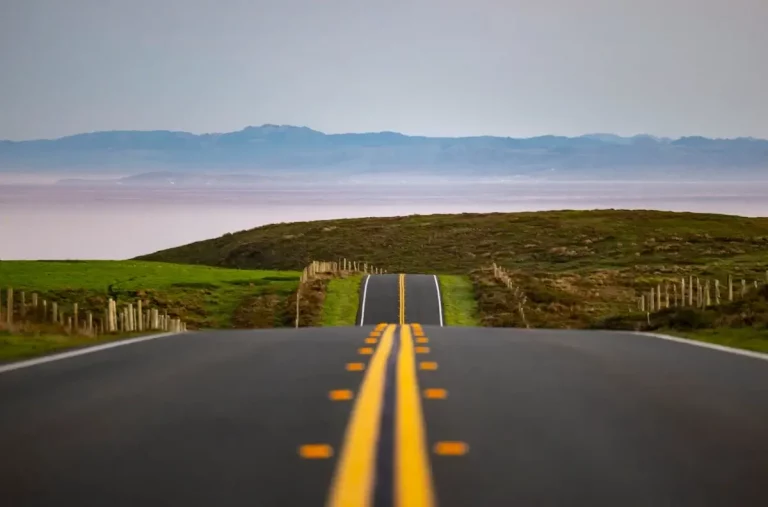
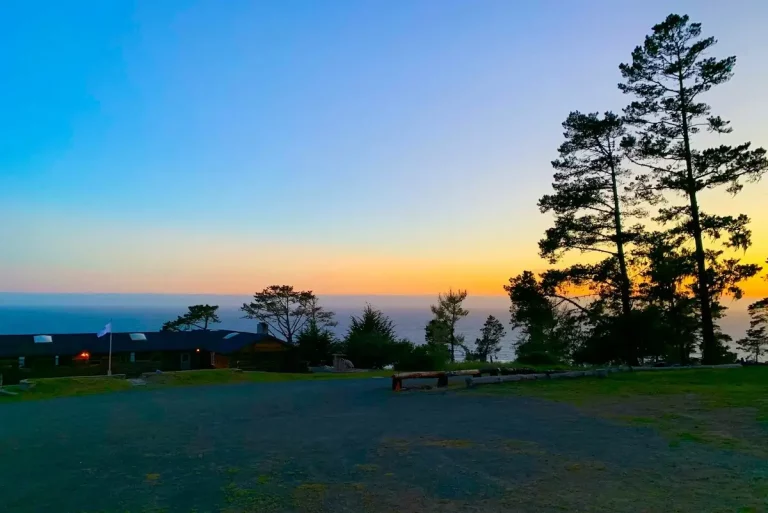
As the road bends toward the edge of the peninsula, the air cools, the horizon expands into a deep palette of slate and azure, and the rhythmic sigh of the Pacific Ocean takes over. If you are following our ultimate California road trip itinerary, this spectacular view marks your arrival in Monterey, a destination that sits in a rare geographic sweet spot. It is close enough to major metropolitan hubs to make the journey effortless, yet spiritually and atmospherically distant enough to feel like a true sanctuary. While thousands of weekend visitors descend upon the shoreline with a singular focus on its famous aquarium, a deeper, far more rewarding experience awaits those who choose to step past the crowded waterfront and absorb the town at a slower pace.
The early adobe heritage and history
To understand the quiet luxury of Monterey, you have to look at its bones. Long before it became a destination for seaside recreation, this rugged harbor served as California’s original capital under both Spanish and Mexican rule. The town reached a historic milestone when it was officially elevated to the capital of the Province of the Californias in 1777. To this day it remains a place built on thick adobe walls, heavy hand-hewn wooden gates, and sun-drenched courtyards designed explicitly for privacy and shelter from the coastal wind.
Wandering along the historic Path of History reveals a side of Monterey that feels completely untouched by time. The whitewashed adobes stand as quiet monuments to an older era. Walking past the heavy timber doors of the Custom House or peering into the secluded, stone-walled gardens of the Larkin House brings a sense of deep stillness. These are not merely museums. They are architectural sanctuaries where the thick walls naturally muffle the modern world outside. Luxury here is simple and unforced. It’s found in the sensory experience of walking on old redwood floorboards, smelling the salty sea mixed with the scent of heritage roses, and resting in a shaded courtyard where the only sound is the gentle splash of a stone fountain.
The accessibility of an isolated sanctuary
One of Monterey’s greatest assets is its remarkable infrastructure, which turns the typical stress of travel into an afterthought. The city is highly connected, offering wide, beautifully maintained roads and intuitive navigation that removes the friction of arriving in a new place. For travelers coming from San Francisco, Silicon Valley, or the Central Valley, the trip requires no grueling logistics or complex planning. It is an effortless drive, making it a highly practical option for a spontaneous weekend escape.
Yet, despite this flawless connectivity to some of California’s busiest economic engine rooms, Monterey feels entirely insulated from them. This creates a beautiful contrast. The physical distance acts as a natural psychological filter where the rush of the city is completely left behind. Because so much of the mainstream tourism is concentrated in a tiny, highly specific pocket of the waterfront, the rest of the town remains a quiet, overlooked haven. It is a place where you can easily find parking near a pristine beach trail, secure a table at a world-class bistro without months of agonizing reservations, and walk for miles along the rocky coastline without navigating a sea of tourist crowds.
The two faces of the waterfront and community
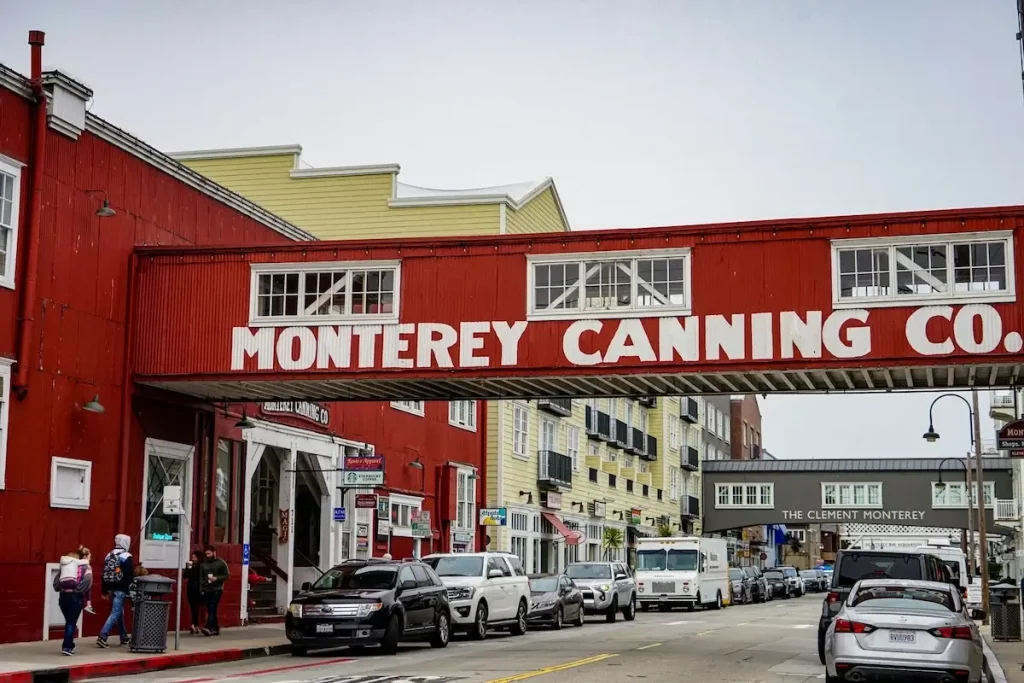
To fully appreciate Monterey, you must accept that it does get busy. Walking down Cannery Row, the historic industrial strip immortalized by John Steinbeck, can often mean navigating dense afternoon crowds. The old sardine packing houses that Steinbeck described as a poem and a grating noise have long since evolved into a bustling avenue of shops, galleries, and restaurants.
Yet, leaning into this crowded energy is entirely part of the fun. There’s a genuine joy in people watching along the weathered wooden boardwalks. Part of the charm is seeing families in matching aquarium t-shirts, fresh from a visit with the sea otters, their faces filled with a distinct kind of weekend fatigue and wonder. Even more compelling is watching the expressions of visitors who do not often get to spend time in a place so deeply rooted in the past. In a state that often favors the shiny and new, seeing people look up at the rust-colored industrial pipes, the weathered corrugated tin, and the historic brick facades with genuine awe adds a beautiful human layer to the trip. The bustling energy of Cannery Row acts as the perfect contrast to the town’s quieter corners, and reminds us that history belongs to everyone.
Ocean vistas and peninsula pathways
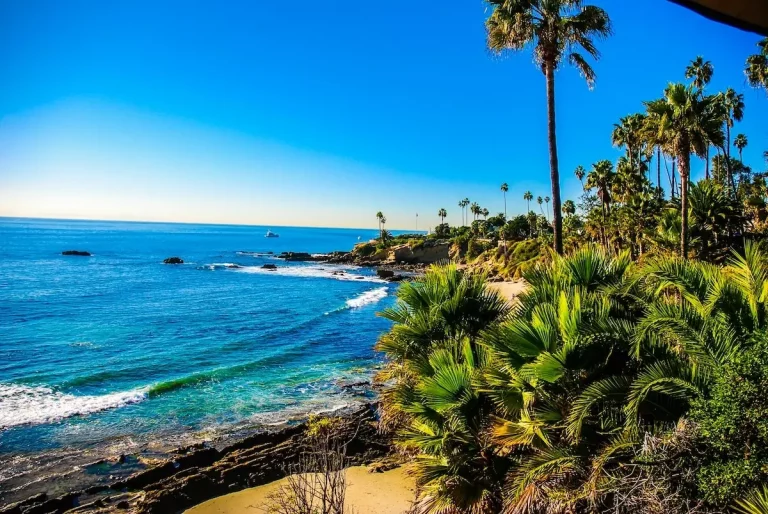
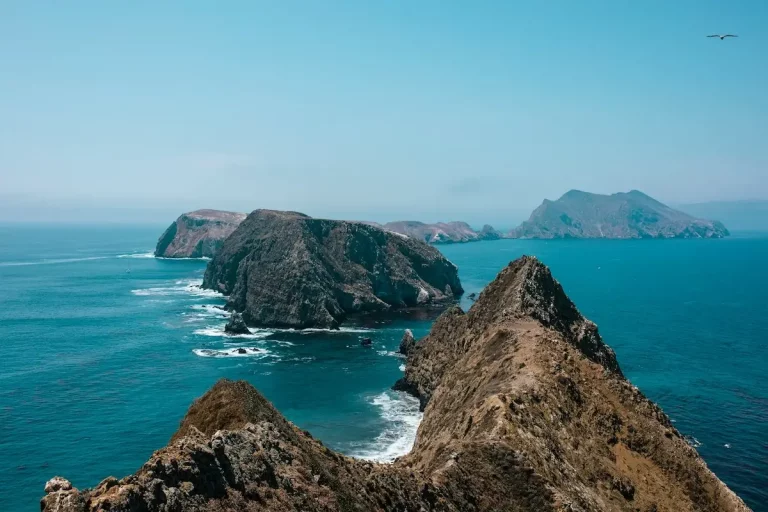
Once you’ve had your fill of the lively waterfront, the rest of the peninsula has a more solitary and natural cadence. The shoreline here is a masterpiece of dramatic, rugged beauty, where twisted cypress trees cling to weathered granite cliffs.
Instead of fighting for a viewing spot on a commercial pier, look for a quiet bench along the walking trails of Pacific Grove or rest on the uncrowded sands of Del Monte Beach. The expansive, paved coastal trail system allows you to wander for miles directly alongside the water without ever having to cross a busy street or navigate a parking lot. Life moves slower here. You find yourself spending an hour simply watching the sea otters wrap themselves in giant kelp fronds just offshore, or observing the slow, silent drift of sailboats returning to the harbor as the afternoon fog begins to roll in across the bay.
Culinary curation and local flavors
In keeping with the town’s unhurried philosophy, the culinary landscape of Monterey focuses on honest, meticulously sourced ingredients rather than avant-garde pretense. Because the city sits directly between the cold, nutrient-rich waters of the submarine Monterey Canyon and the fertile agricultural fields of the Salinas Valley, the local tables are treated to an abundance of choice.
Dining here is an exercise in simplicity. The best venues are low-profile, heritage-focused bistros tucked into historic downtown buildings or quiet harbor overlooks. Luxury here is defined by a perfectly seared piece of local rockfish paired with a crisp, cool-climate Chardonnay from the nearby Santa Lucia Highlands. There’s no need to dress up for a theatrical performance. Instead, the focus is entirely on great conversation, friendly service, and a window framing the deep blue shadows of the mountains meeting the water. It’s an invitation to linger long after the plates have been cleared, listening to the distant bark of sea lions and the low hum of the evening tide.
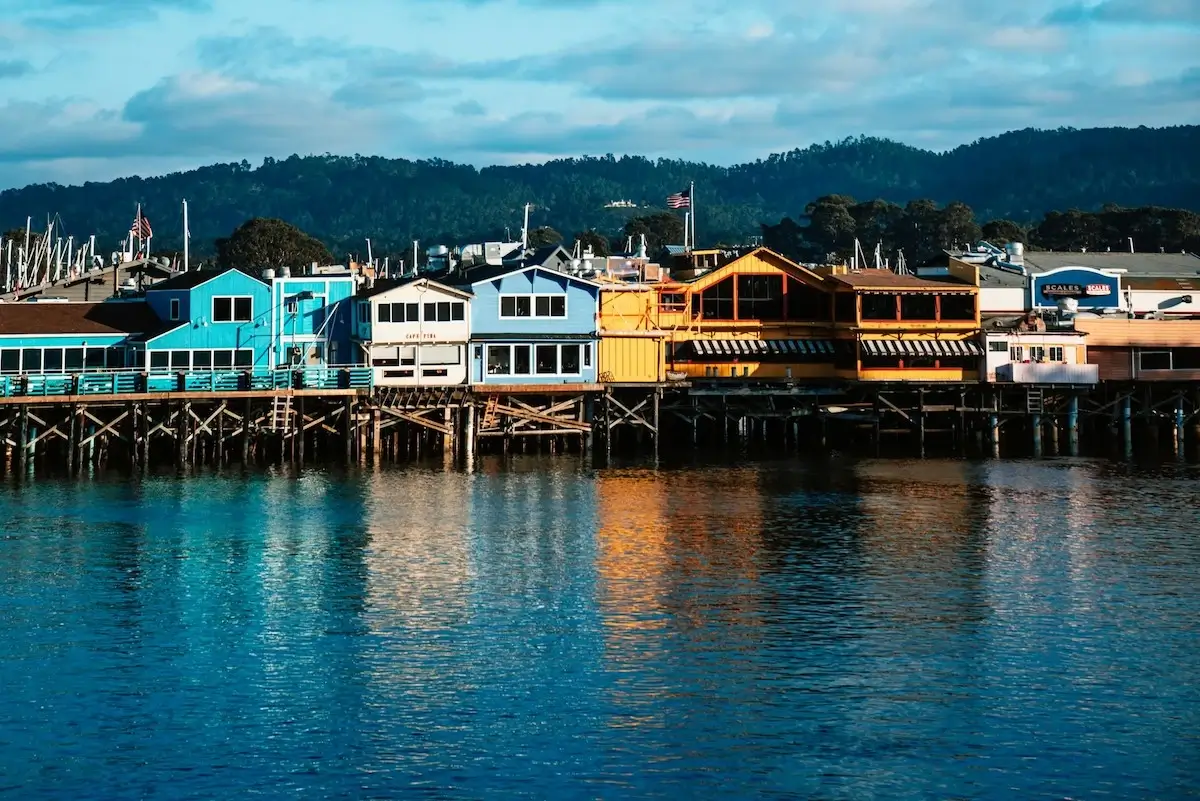
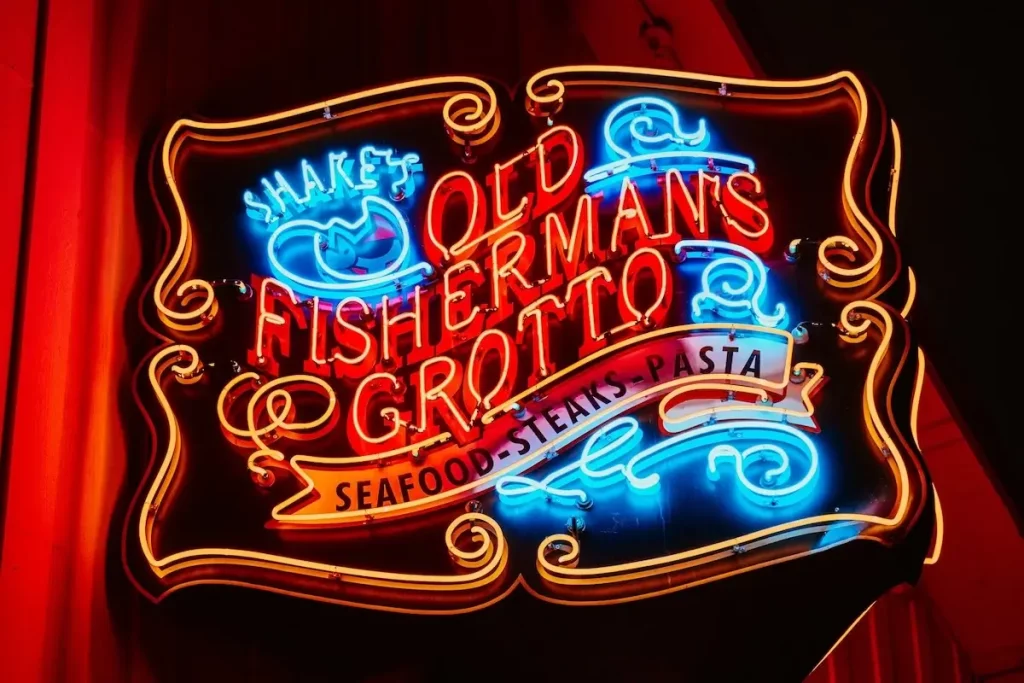
Old Fisherman’s Grotto is a legendary example of the classic cuisine that makes Monterey famous. A family-owned restaurant on the historic Old Fisherman’s Wharf, Old Fisherman’s Grotto has served it’s award-winning Monterey-style clam chowder every day since it was founded in 1950 by Sabu Shake Sr. This internationally known and iconic waterfront institution pairs an upscale, romantic dining room and old-school elegance with sweeping views of the harbor, serving a robust menu of fresh, sustainable seafood, prime steaks, and classic Italian pasta dishes.
A timeless state of mind
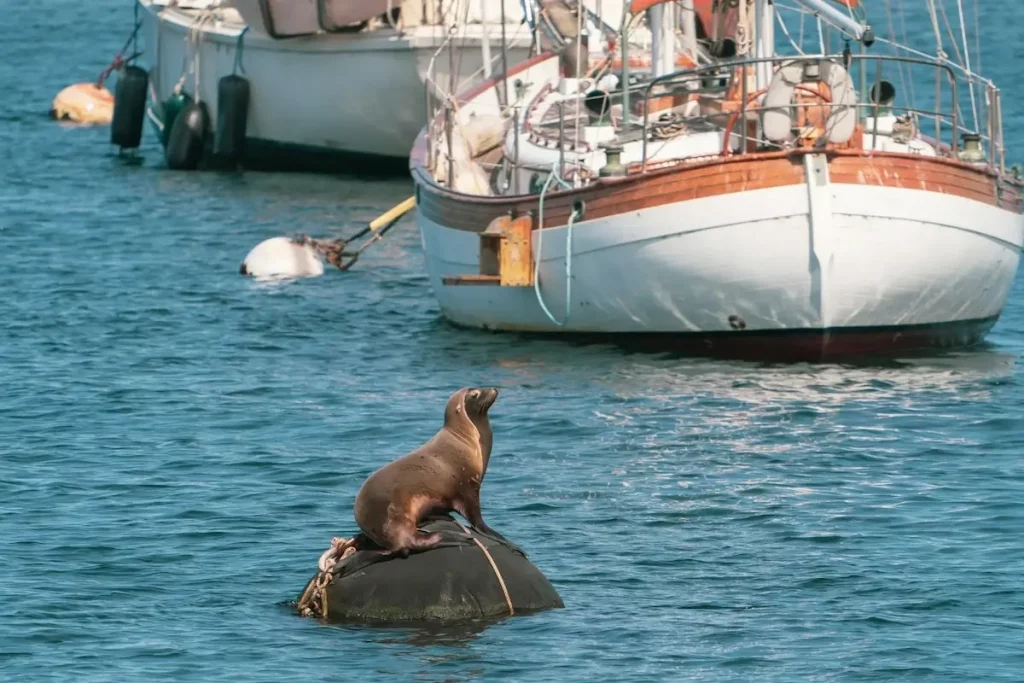
As the sun dips below the horizon, painting the Pacific in shades of bruised plum and gold, Monterey shows its true character. It’s a place that honors its past while offering an incredibly smooth, comforting embrace to the modern traveler. Monterey proves that a true getaway does not require a grueling flight to a remote island or a stressful journey into the deep wilderness. Sometimes, the ultimate luxury is finding a destination that has already built the perfect infrastructure for your comfort, yet possesses the wisdom to leave its historic soul and quiet spaces alone.
For the reader of California Planit, Monterey stands as a city that provides all the ease of a modern resort town, wrapped beautifully in the romantic, weathered cloak of California’s oldest history. It’s an invitation to be part of the crowd in the most wholesome sense but almost begs you to slip behind the adobe walls, and discover the undeniable luxury just off the beaten path.