Highway 395 road trip: a tree-lined 7-day itinerary
An elegant escape can be found in expansive horizons and the rare gift of uninterrupted time. Traveling along Highway 395 delivers smooth, wide-open roads flanked by the sharp peaks of the Sierra Nevada mountains, making it a standout feature in our ultimate California road trip. While travelers often visit these landmarks as separate, individual destinations, this seven-day itinerary connects them into a single, cohesive route. This trip offers a unique opportunity to experience the spectacular beauty of the state from a legendary highway that people often forget about as they simply travel from one place to another. Rather than a passive drive, it’s a full itinerary packed with plenty to see and do, keeping you active, engaged, and busy whenever you step away from the driver’s seat.
Days 1 to 2: Lone Pine and desert stillness
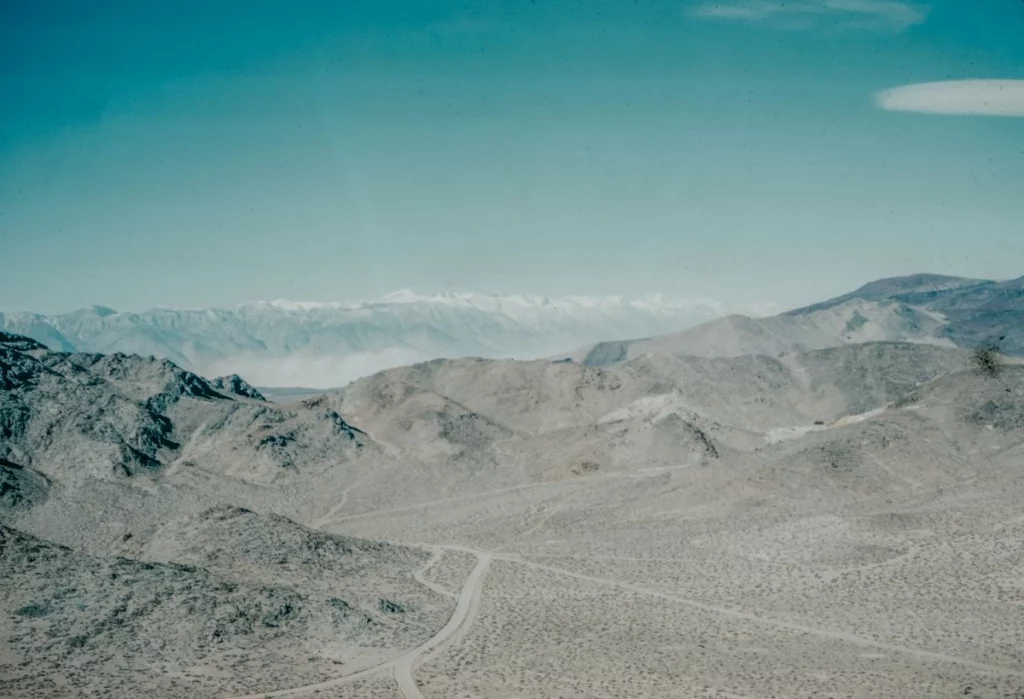
The journey begins in the lower Owens Valley town of Lone Pine, where the dry desert floor meets the immediate, staggering rise of the Sierra Escarpment. This region is a place of profound scale, dominated by the sharp granite ridges of Mount Whitney and the labyrinth of weathered, rounded boulders that define the Alabama Hills. The stark transition from the arid Mojave Desert to high-alpine terrain creates a microclimate of hot, sun-drenched afternoons and crisp, wind-stilled nights, offering an absolute quiet that feels entirely isolated from urban noise. Approaching this wilder side of California yields a relaxed, scenic arrival as the drive passes the dramatic geological formations of Red Rock Canyon before the landscape transitions completely into Lone Pine’s majestic high-desert expanse. Once there, travelers can spend the late afternoon wandering through the smooth, golden rock arches of the Alabama Hills as they glow at sunset, allowing visitors to bask in the shadow of Mount Whitney without the pressure of a strenuous climb.
While conventional five-star luxury resorts can certainly be found hidden within this rugged Lone Pine mountain corridor, the true indulgence of the area lies in an entirely different philosophy. Here, opulence is redefined not by institutional grandeur or manicured grounds, but by the rare privilege of absolute immersion in a raw, ancient landscape that most of the world passes by at highway speeds without ever noticing. The luxury found in this specific desert outpost is the scarcity of crowds, the preservation of profound silence, and the opportunity to witness monumental geological wonders in complete solitude. As night falls, the experience shifts seamlessly to the town’s premium, minimalist desert estates, which serve as the ultimate slow-luxury basecamp for panoramic stargazing from private decks under perfectly dark skies.
Days 3 to 4: warm mineral pools in Bishop
Moving further north, the valley opens up significantly around the town of Bishop, where alpine snowmelt feeds local creeks and green meadows. Flanked by the White Mountains to the east and the High Sierra to the west, this high-desert basin serves as a central hub for local artisans, travelers, and outdoor enthusiasts alike. The shift in this area also introduces underground geothermal activity, resulting in natural hot springs that sit against the backdrop of the surrounding snowy peaks. It is an ideal region for unhurried road trips, outdoor exploration, and relaxing wellness stops.
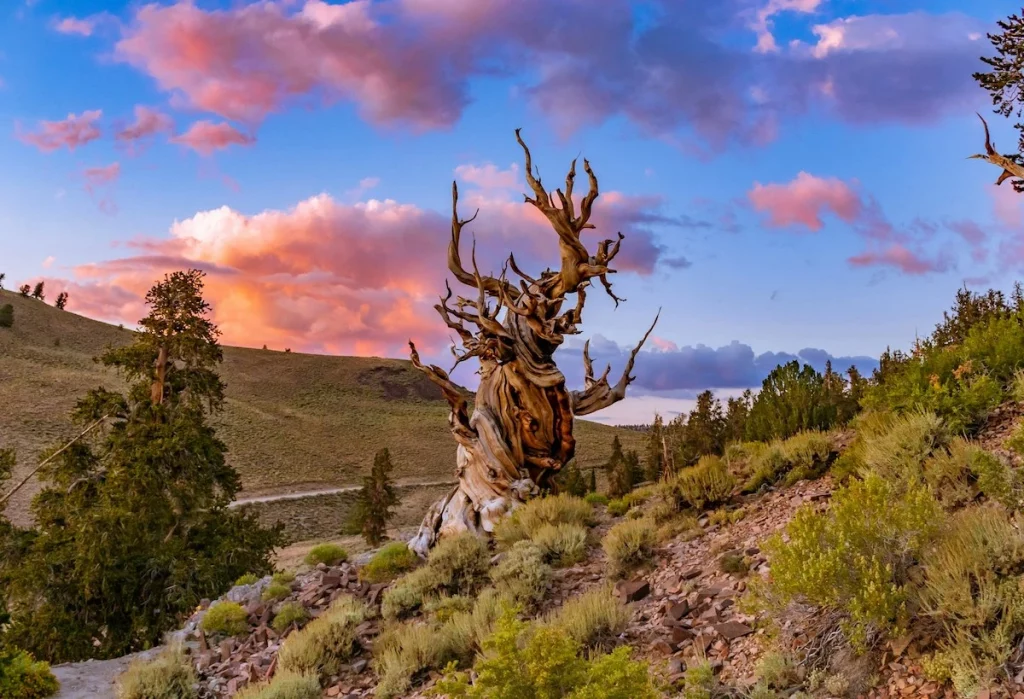
To explore the area, you can take a winding drive up into the White Mountains to visit the Ancient Bristlecone Pine Forest. This protected area allows visitors to walk among the oldest living trees on earth in a quiet, remote setting. After heading back down into town, you can stop at local bakeries and cafes for fresh, small-batch mountain pastries and locally roasted coffee, or pack a lunch to enjoy alongside one of the area’s many running creeks. For relaxation, skip the crowded public hot springs and book a stay at a boutique ranch in the valley, many of which offer private, naturally heated mineral soaking pools right on the property.
Days 5 to 7: alpine meadows in June Lake
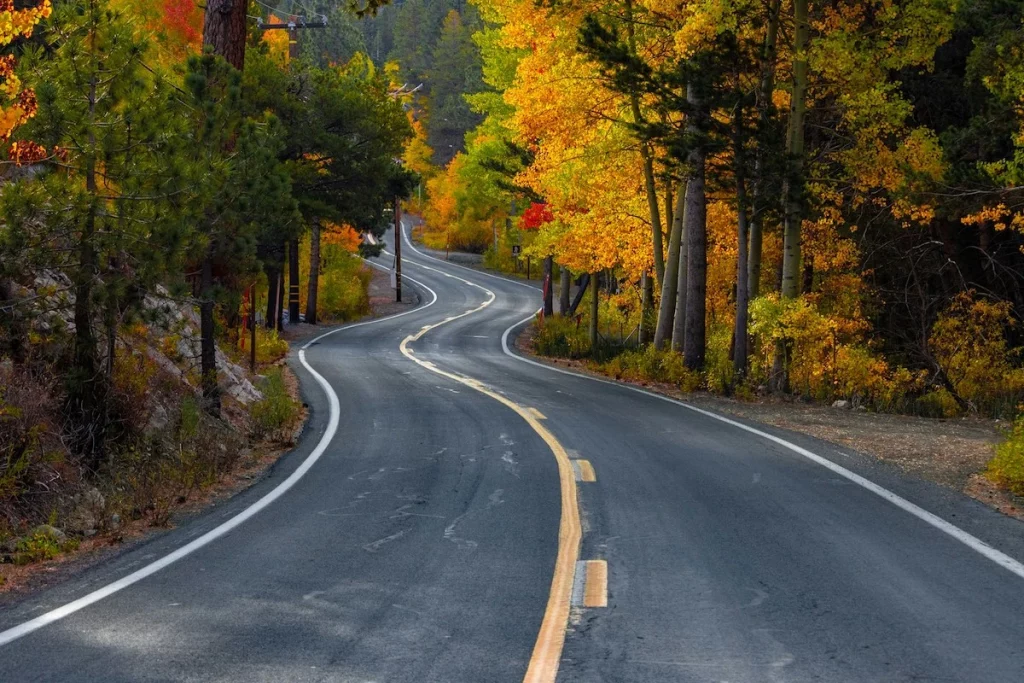
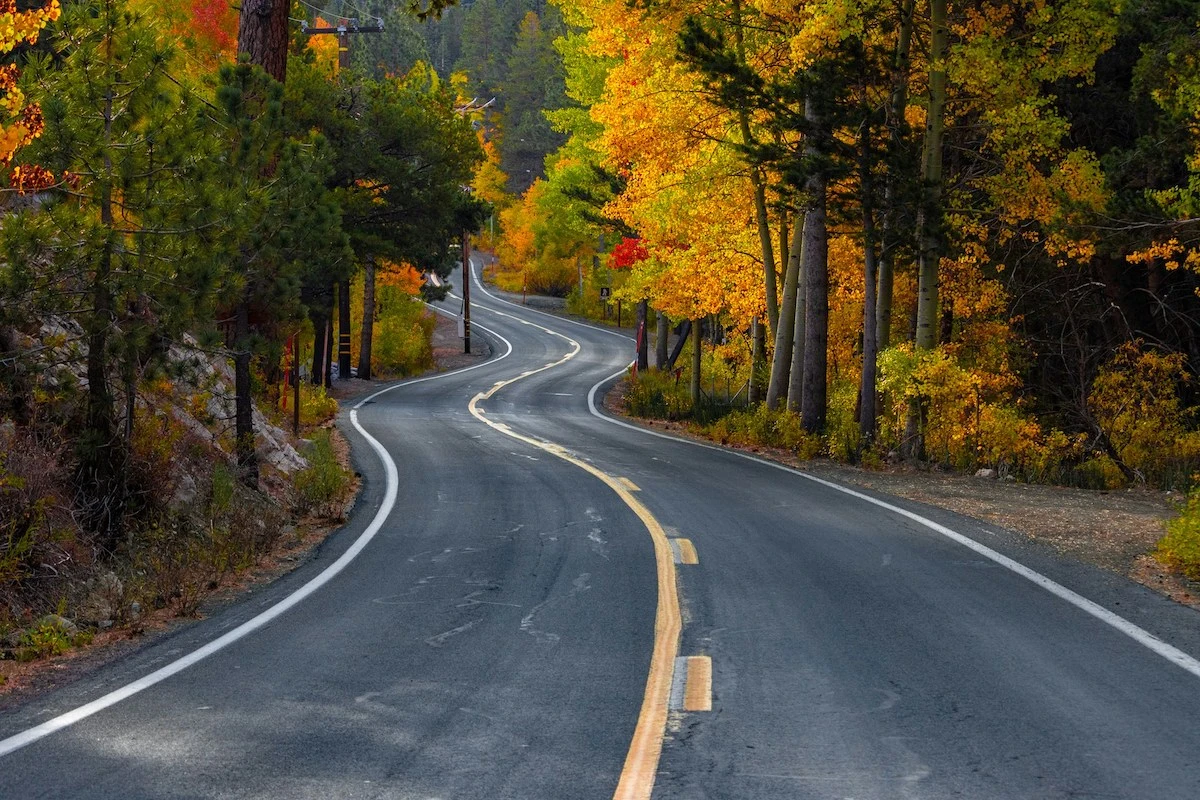
The final stretch ascends rapidly into Mono County, a landscape shaped by ancient glaciers and filled with dense Jeffrey pine forests, aspen groves, and quiet glacial bowls. Known as the California Alps, the June Lake Loop allows travelers to bypass the busier resort energy of nearby towns in favor of a quiet, horseshoe-shaped canyon that hides four spectacular lakes. The air here is thin, pine-scented, and cool even in the middle of summer, making it an ideal final basecamp for quiet lakeside relaxation and comfortable cabin living.
To really experience the area, drive the peaceful 15-mile June Lake Loop crescent and take in the views of the four sparkling lakes, or plan an early morning lakeside walk to avoid the midday traffic. For lodging, you can unwind in a high-end, modern timber chalet hidden among the pines, spending afternoons reading by a large stone fireplace. Finally, you can end your itinerary with a gentle walk among the ethereal tufa towers at nearby Mono Lake. Arriving at twilight allows you to watch the soft pastel colors of the Eastern Sierra sunset reflect on the still water.
The lingering return to the coast
Leaving the quiet Eastern Sierra is a gradual transition rather than a sudden departure. As you drive away, the massive granite peaks slowly fade in the rearview mirror, but the quiet routine of the high desert stays with you. This trip down the open highway demonstrates that travel is most enjoyable when it is unhurried, intentional, and entirely separated from everyday city traffic. By trading crowded urban areas for hidden mineral springs and calm mountain lakes, you’re able to return home feeling thoroughly rested and refreshed.
The drive home gives you time to process the experiences of the trip. The landscape slowly shifts from high-altitude pine forests to lower desert valleys, and eventually back to the familiar terrain. This final section of the road trip serves as a helpful buffer between the stillness of the mountains and the return to your daily routine. Taking this slower route ensures that the benefits of the time spent outdoors last well after the trip is over.