The ten best museums in California
California features some of the most innovative, architecturally significant, and expansive cultural institutions in the world. Rather than following a singular style, the state’s museums are deeply shaped by their surroundings. In the north, galleries are integrated into the foggy, forested landscapes of urban parks and historic waterfront piers. In the south, they occupy sun-drenched mountain peaks, sweeping coastal bluffs, and vibrant downtown arts districts. This dramatic geographical variety creates a cultural landscape that is exceptionally diverse, where the physical buildings and surrounding environments are as much a part of the exhibition as the artifacts housed inside.
To explore these institutions is to experience a highly intentional intersection of art, history, science, and nature. The state’s curated spaces deliberately move away from stuffy, traditional presentation styles. Instead, they embrace open-air layouts, expansive view corridors, and beautifully landscaped gardens that encourage long, unhurried visits. If a dramatic coastal journey is your thing, our luxury guide to the California coastline offers the perfect framework for pairing these cultural stops with an unhurried, scenic drive along the edge of the Pacific. Whether you are looking to admire classic masterworks from European Old Masters, step inside groundbreaking contemporary installations, or interact with hands-on scientific experiments, these ten world-class institutions offer unparalleled cultural experiences. Arranged in a seamless progression from the northern coast down to the southern border, this guide charts a spectacular roadmap through California’s finest collections.
California Academy of Sciences, San Francisco
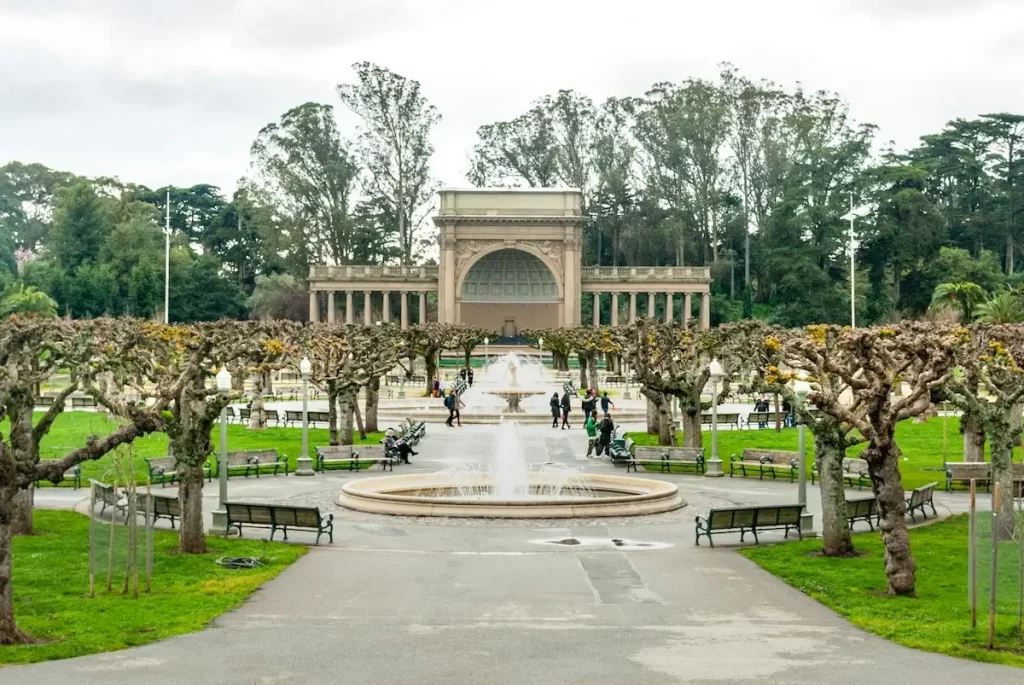
Located in the heart of Golden Gate Park, this innovative facility houses an aquarium, a planetarium, a four-story living rainforest dome, and a natural history museum all under a single roof. Designed by Renzo Piano, the building is topped by a 2.5-acre living roof covered in 1.7 million native California plants, which naturally insulates the interiors and manages rainwater runoff. The planetarium features an advanced digital projection dome that visualizes distant galaxies with extreme precision, while the natural history hall displays a massive, complete Tyrannosaurus rex skeleton.
Beneath the main floor lies the Steinhart Aquarium, home to nearly 40,000 live animals representing more than 900 distinct species, including a colony of African penguins and a rare albino alligator named Claude. Visitors can walk up a spiraling ramp inside the glass rainforest dome to observe free-flying tropical birds, butterflies, and bats, then descend via an elevator into an underwater tunnel that passes beneath a flooded Amazonian forest floor teeming with giant fish.
Exploratorium, San Francisco
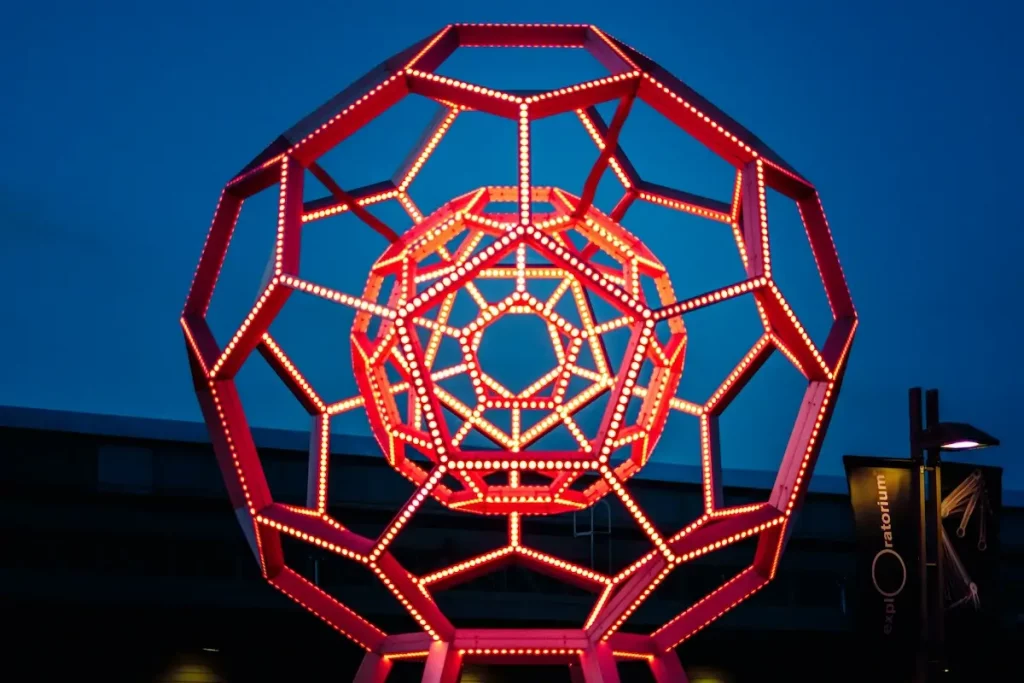
Situated on Pier 15 along the historic Embarcadero, this world-renowned institution focuses on tactile, hands-on learning, encouraging visitors to play and experiment. Founded in 1969 by physicist Frank Oppenheimer, the museum eschews traditional look-but-don’t-touch glass cases in favor of over 650 interactive exhibits designed to be manipulated by guests. The massive indoor and outdoor pier spaces are divided into distinct galleries exploring the physics of light and sound, the biology of living systems, and human social behavior.
Visitors can step inside a pitch-black Tactile Dome to navigate a complex environment entirely by touch, or manipulate large-scale mirrors and prisms to see how human eyes process color and reflection. The outdoor gallery extends over the waters of the San Francisco Bay, featuring weather stations, tidal gauges, and wind-activated sculptures that allow guests to investigate the regional coastal climate firsthand. The museum also operates an active workshop on the main floor, where visitors can watch exhibits being designed and built in real time by staff scientists and artists.
The Getty Villa, Pacific Palisades
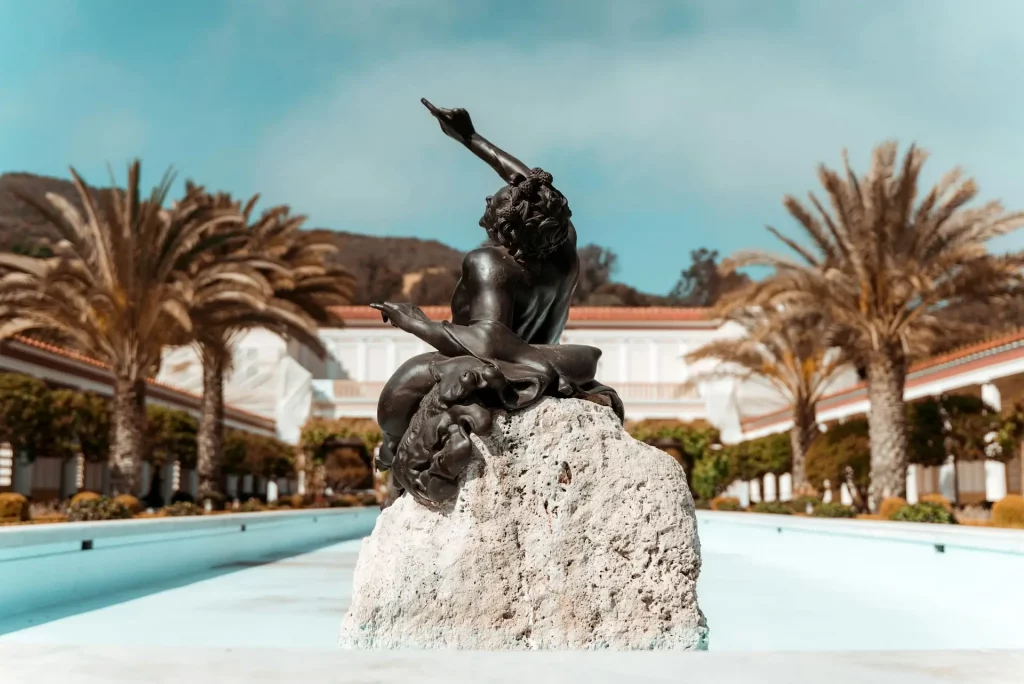
Modeled faithfully after the first-century Villa dei Papiri in Herculaneum, this coastal museum is dedicated entirely to ancient Greek, Roman, and Etruscan antiquities. The structure was built in the 1970s by oil tycoon J. Paul Getty on a hillside overlooking the ocean, utilizing archaeological details extracted directly from ancient Roman excavations. Visitors stroll through a series of four tranquil, beautifully landscaped Mediterranean-style gardens filled with laurel, boxwood, and herbs identical to those grown in the ancient world.
The galleries contain over 44,000 antiquities spanning 7,000 years of history, ranging from the end of the Stone Age to the fall of the Roman Empire. Notable pieces include the Statue of a Victorious Youth, the Lansdowne Herakles, and an exceptional collection of Roman luxury glass and ancient burial portraits. The center of the campus is the Outer Peristyle, a dramatic courtyard featuring a 220-foot-long reflecting pool lined with bronze replicas of statues discovered at Herculaneum, offering a peaceful, highly atmospheric escape along the Malibu coast.
The Getty Center, Los Angeles
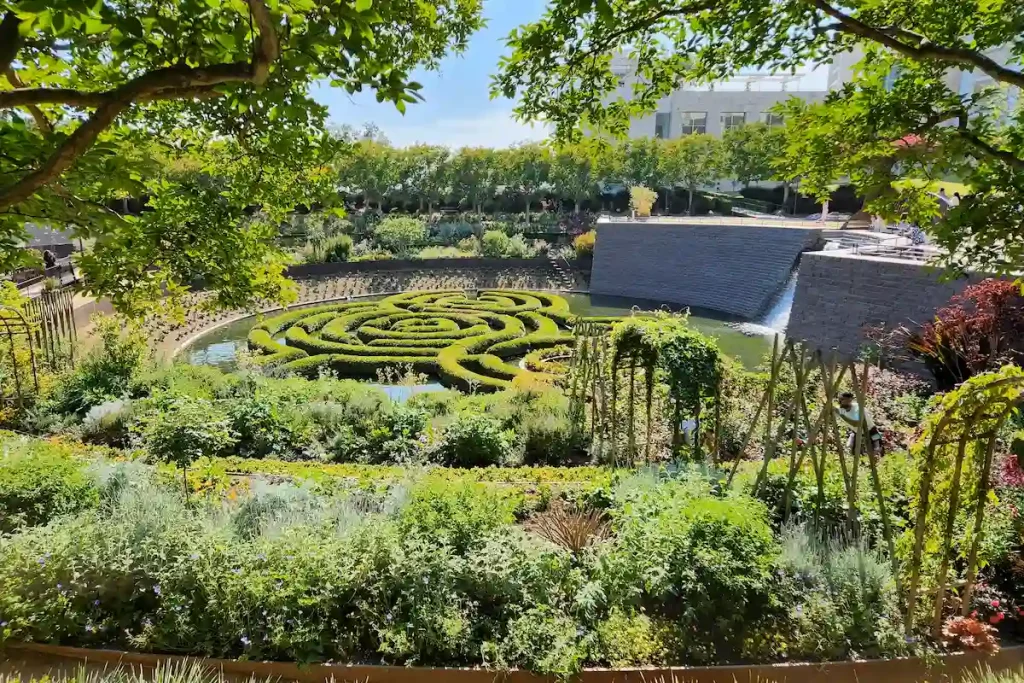
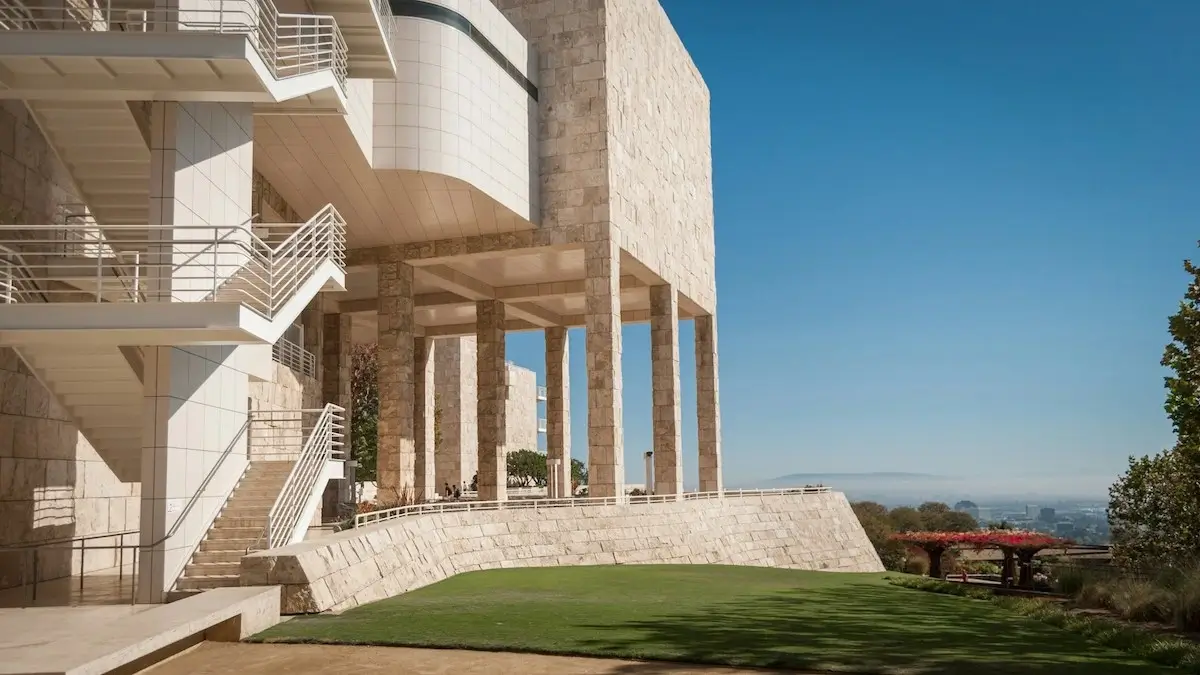
Perched high in the Santa Monica Mountains and accessed via a scenic hilltop computer-operated tram, this architectural masterpiece is constructed from over one million square feet of coarse-textured Italian travertine. Architect Richard Meier designed the campus to change color throughout the day as sunlight reflects off the stone surfaces, framing panoramic views of the Los Angeles basin, the Pacific Ocean, and the grid of the city below. The institution houses a remarkable collection of Western art dating from the Middle Ages to the present, displayed across four distinct pavilions linked by elevated walkways.
Visitors can explore galleries filled with illuminated manuscripts, French decorative arts, and an expansive photography collection. Prominent masterworks include Vincent van Gogh’s vibrant Irises, Rembrandt van Rijn’s An Old Man in Military Costume, and Édouard Manet’s Jeanne (Spring). The outdoor spaces are a core element of the experience, highlighted by artist Robert Irwin’s 134,000-square-foot Central Garden, which features a natural stream flowing into a central pool with a maze of floating azaleas.
Los Angeles County Museum of Art
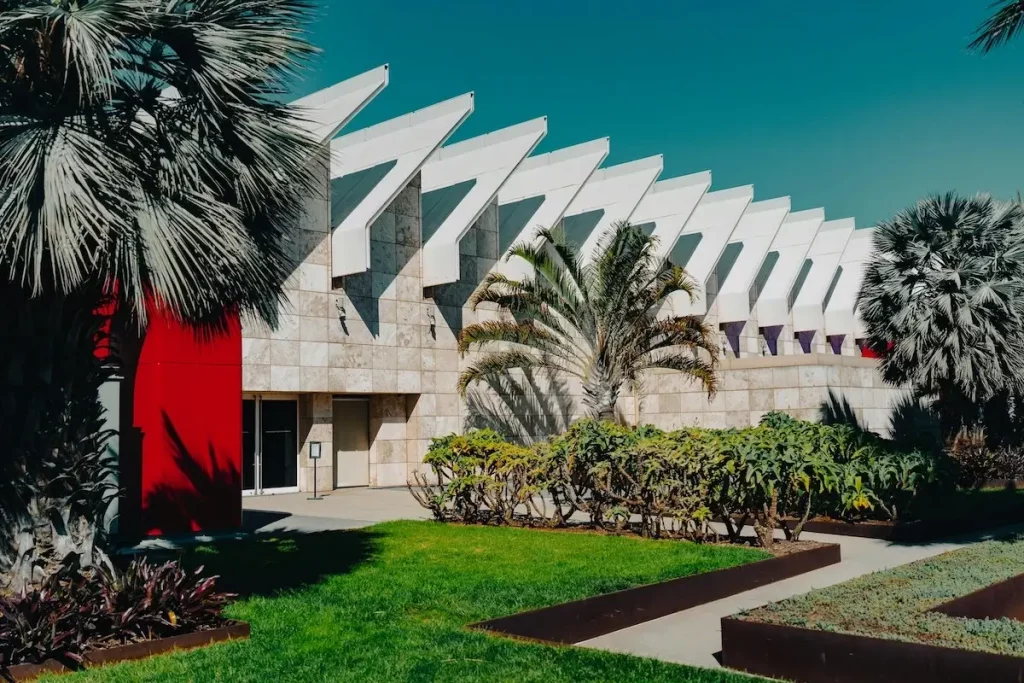
As the largest art museum in the western United States, this expansive institution holds a collection of more than 150,000 objects spanning 6,000 years of global history across multiple multi-story pavilions. Visitors arriving via Wilshire Boulevard are instantly greeted by Chris Burden’s Urban Light, an iconic, symmetrical grid of 202 antique cast-iron street lamps that illuminates the plaza at dusk. The campus is anchored by the striking, long-awaited David Geffen Galleries, a continuous glass-and-concrete structure designed by Pritzker Prize-winning architect Peter Zumthor that elevates the permanent collection above the ground.
The museum’s holdings are particularly renowned for their depth in Latin American art, pre-Columbian masterpieces, Islamic art, and historic Japanese screens and scrolls. Significant permanent displays allow guests to trace the evolution of global modernism, alongside dedicated spaces for contemporary monumental sculpture. The indoor galleries transition into outdoor park spaces, including the adjacent, historic La Brea Tar Pits, creating a unique intersection of natural history, modern architecture, and ancient art.
The Broad, Los Angeles
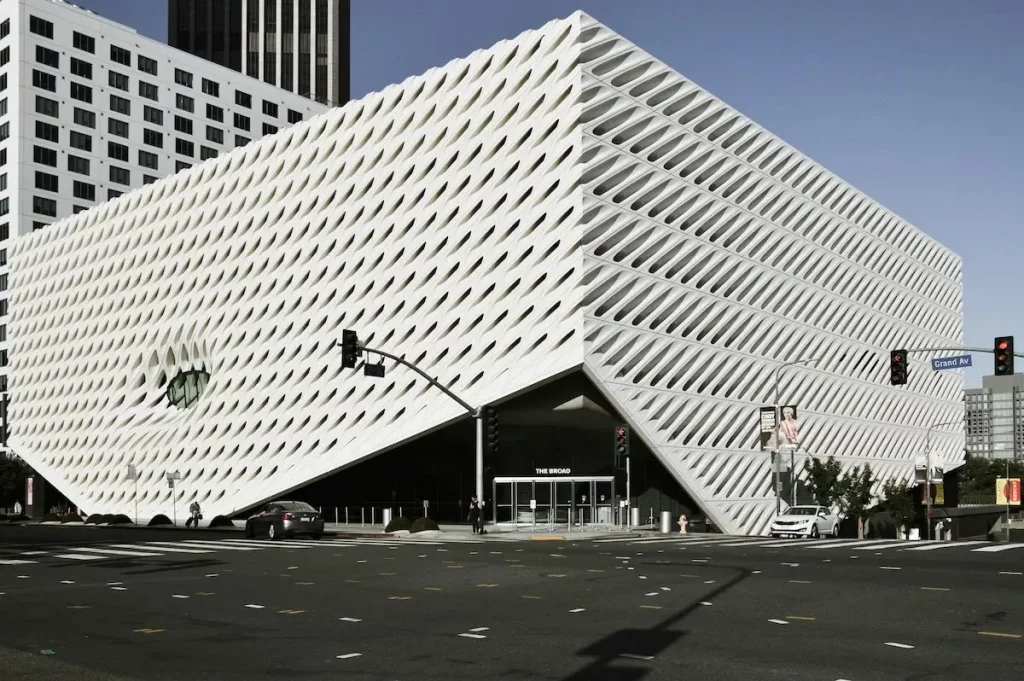
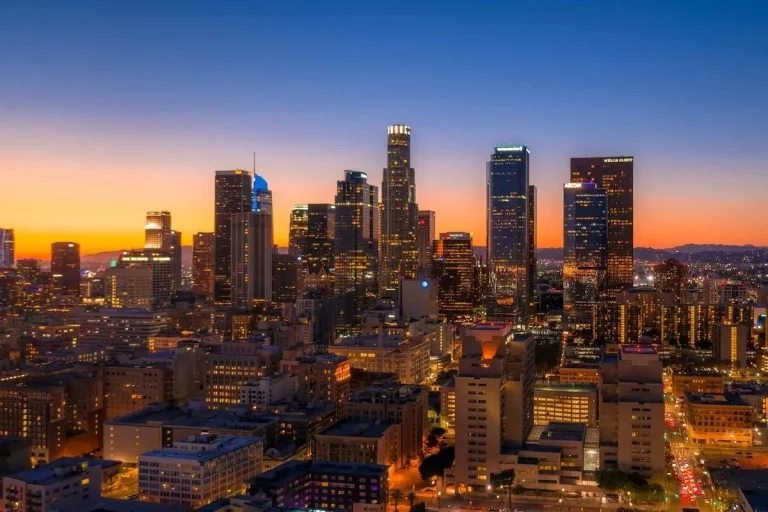
Located on Grand Avenue in Downtown Los Angeles, this contemporary art institution stands out due to its unique, honeycomb-like exterior facade known as “the veil.” Designed by Diller Scofidio + Renfro in collaboration with Gensler, the porous concrete exterior filters natural daylight directly into a vast, column-free third-floor gallery space. The building’s design also incorporates a visible central core called “the vault,” allowing visitors to glimpse stored artworks through glass viewing ports along the central stairwells.
Founded by philanthropists Eli and Edythe Broad, the museum features an elite collection of postwar and contemporary works, including deep, career-spanning holdings of pieces by Jean-Michel Basquiat, Andy Warhol, Cindy Sherman, and Jeff Koons. Admission to the primary galleries is entirely free, offering public access to seminal contemporary installations. The museum also hosts Yayoi Kusama’s highly sought-after Infinity Mirrored Rooms, immersive LED-lined mirror chambers that create a dazzling illusion of endless space for individual viewers.
California Science Center, Los Angeles
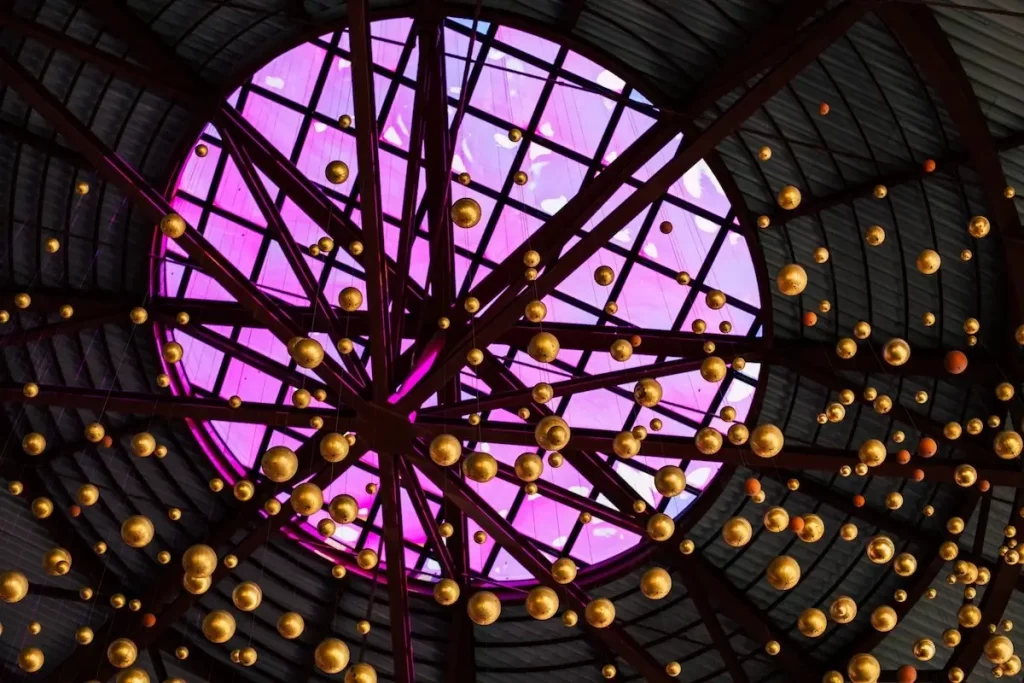
Positioned in Exposition Park, this expansive, family-friendly institution offers free admission to its permanent galleries, which focus on aerospace innovation, ecosystems, and mechanical sciences. The museum’s most notable asset is the Space Shuttle Endeavour, a historic orbiter that completed 25 missions into space. The shuttle is displayed inside the massive, state-of-the-art Samuel Oschin Air and Space Center, where it stands in a dramatic, 20-story vertical launch configuration complete with an authentic external fuel tank and solid rocket boosters.
Beyond the space exploration galleries, the museum features a 45,000-square-foot Ecosystems exhibit hall. This space includes a living 188,000-gallon kelp forest tank, complete with a transparent acrylic viewing tunnel that allows visitors to watch leopard sharks, moray eels, and sea bass swim overhead. Interactive laboratories throughout the center allow guests to explore global climate zones, simulate flash floods, and experiment with the principles of thermal imaging and aerodynamics.
The Huntington Library, Art Museum, and Botanical Gardens, San Marino
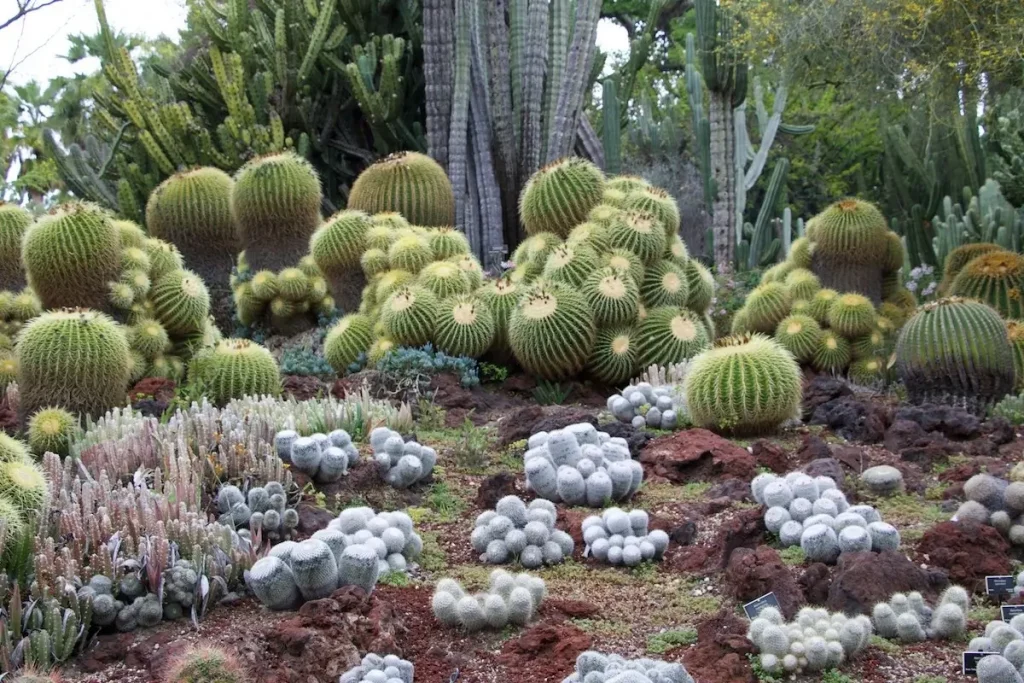
This expansive 207-acre cultural destination combines world-class European and American art galleries with an exceptional rare book library inside a historic residential estate. The Library Exhibition Hall displays foundational texts of human history, including a rare Gutenberg Bible on vellum, a double-elephant folio edition of John James Audubon’s The Birds of America, and early editions of Shakespeare’s plays. The art museum is split between European masterpieces—headlined by Thomas Gainsborough’s famous The Blue Boy—and an exhaustive collection of American painting and sculpture spanning three centuries.
The indoor galleries are seamlessly integrated into 16 thematic landscapes, which collectively house over 83,000 living plants. Visitors can wander through the meticulously designed Japanese Garden, complete with a historic moon bridge and a traditional ceremonial teahouse. The sprawling Chinese Garden, known as Liu Fang Yuan (the Garden of Flowing Fragrance), features stone bridges, complex pavilions, and a large central lake framed by old-growth oaks and pines.
USS Midway Museum, San Diego

Berthed at Navy Pier in Downtown San Diego, this historic aircraft carrier served the United States Navy for 47 years and now operates as a massive, floating museum. The vessel is over 1,000 feet long and functions as an interactive city on the water, allowing visitors to explore the actual spaces where over 225,000 sailors lived and worked. Guests can follow audio tours narrated by real Midway sailors to explore the bridge, the primary flight deck, the galley, the engine rooms, and the sleeping quarters deep within the hull.
The hangar deck and flight deck showcase an extensive, restored collection of over 30 historic aircraft, including jet fighters from the Korean and Vietnam wars, cargo planes, and military helicopters. Visitors can climb directly into cockpit seats, participate in flight simulator rides, and interact with docents—many of whom are military veterans who served on the carrier—who share personal stories of operations at sea.
The San Diego Museum of Art
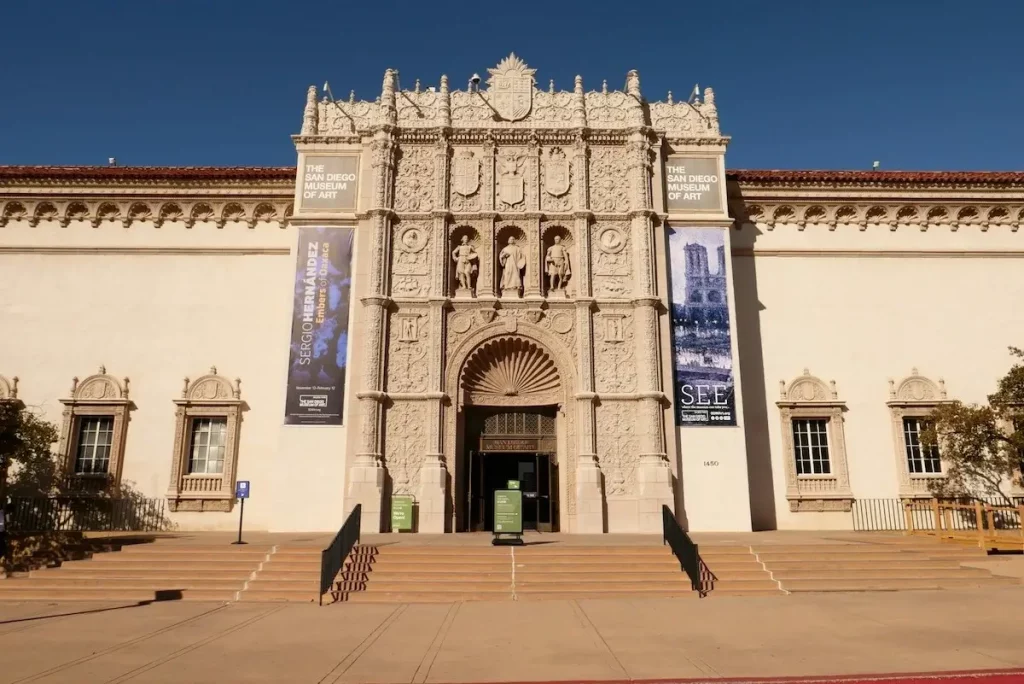
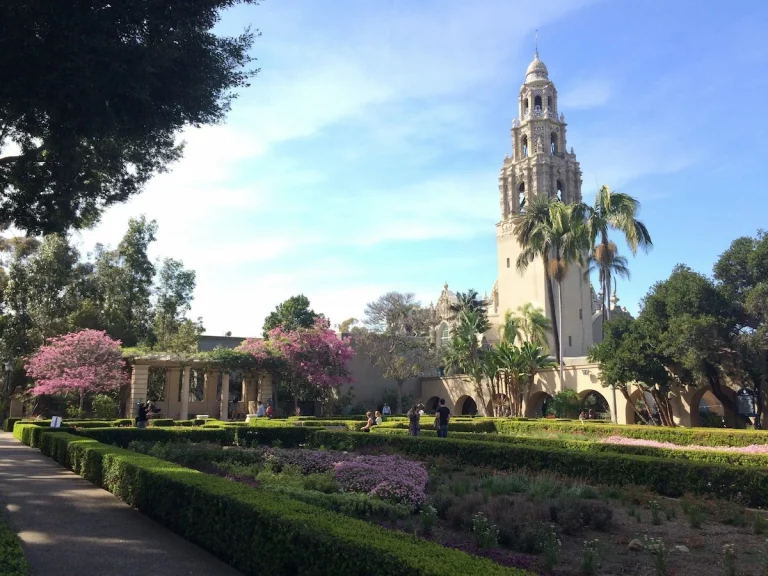
Anchoring the central plaza of Balboa Park, this region-defining museum is famous for its heavily detailed Spanish Renaissance facade, which features intricate stone carvings of historical artists and writers. Established in 1926, the museum holds a world-class permanent collection of fine arts, with a particular emphasis on Spanish Old Masters and early European paintings. Visitors can explore galleries containing works by famed masters such as El Greco, Diego Velázquez, Francisco de Goya, and Giotto.
The museum’s holdings also feature extensive collections of South Asian paintings, American modern art, and historic Asian sculptures. The indoor galleries open directly into the adjacent May S. Marcy Outdoor Sculpture Garden, a tranquil courtyard space displaying prominent mid-century and modern pieces by masters like Joan Miró, Henry Moore, and Auguste Rodin. The museum frequently pairs its historical collections with modern, site-specific installations, bridging the gap between classical art history and modern creative practice.
Planning your cultural journey
Navigating California’s premier cultural institutions offers a rewarding way to experience the shifting landscapes of the state. Because these museums span nearly six hundred miles from the foggy bay of San Francisco to the sun-soaked plazas of San Diego, exploring them requires a thoughtful approach to time and pacing. Rather than rushing through multiple properties in a single weekend, the ideal approach is to embed these cultural stops into a broader, unhurried regional itinerary.
When mapping out your visits, consider grouping the destinations by geographic hubs to maximize your immersion. The San Francisco properties pair beautifully with a drive through the coastal redwoods, while the Los Angeles and San Marino institutions can easily anchor an exploration of southern valleys and historic neighborhoods. Finally, the waterfront museums of San Diego offer a natural conclusion to a classic south-bound coastal route. By giving each campus the time it deserves, you allow the architecture, the curated gardens, and the world-class collections to settle into a singular, memorable narrative of California’s artistic heritage.