California mid-century modern: 10 quiet towns to see
Post and beam minimalism across the Golden State
The story of California mid-century modern homes is deeply tied to the luxury of space and the art of unhurried observation. Following the Second World War, visionary architects turned away from traditional, enclosed structures to design properties that celebrated light, clean lines, and an absolute integration with the surrounding natural terrain. However, these sleek modernist structures rarely exist in isolation; throughout the state, they live side-by-side with an eclectic mix of historic Spanish Revivals, classic Craftsman bungalows, and ornate Victorians, creating a rich architectural tapestry. While many design enthusiasts focus exclusively on busy urban centers, the true spirit of this movement is best experienced by traveling at a slower pace through the state’s quieter enclaves. Taking your time to explore these hidden pockets pairs perfectly with the philosophy behind our slow-luxury guide to the California coastline. This curated list traces ten exceptional mid-century destinations from north to south, mapping out peaceful neighborhoods and hidden valleys where diverse design heritage meets profound stillness.
1. Sea Ranch
Positioned on the rugged cliffs of the Sonoma Coast, this legendary mid-century architectural commune was designed to live lightly on the land. Visionary architects utilized simple timber frames and unpainted redwood saltbox silhouettes to ensure the structures merged gracefully into the wild coastal meadows. Walking through these wind-swept bluffs offers a masterclass in organic modernism completely insulated from the frantic rush of urban life.
2. Sausalito
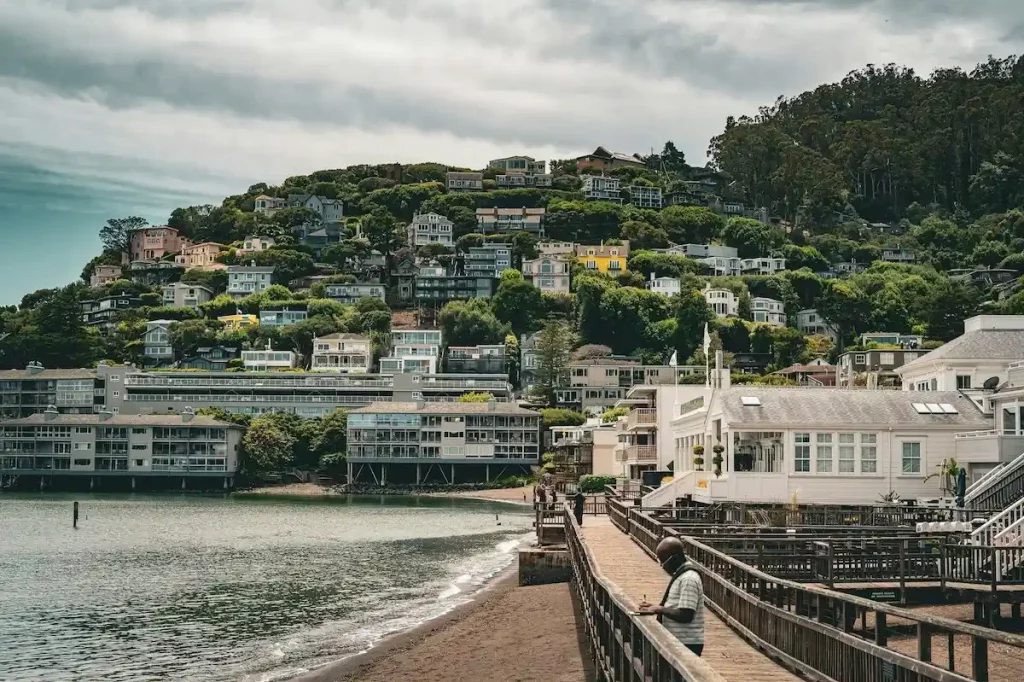
Just north of the Golden Gate Bridge, the steep, pine-studded hillsides of Sausalito hide an exceptional collection of mid-century stilt houses and modernist glass cabins that defined the post-war Bay Area style. Rising sharply above Richardson Bay, these properties lean boldly over the quiet water, utilizing cantilevered frames and expansive, floor-to-ceiling panels of glass to capture the shifting marine light and thick morning fog. Exploring the winding, narrow lanes reveals a sleepy architectural community where visionary local architects blended organic materials like rough-sawn redwood and native stone directly into the topography. This design philosophy prioritized panoramic tranquility, artistic restraint, and seamless indoor-outdoor living, creating hidden architectural sanctuaries that feel entirely detached from the bustling tourist corridors down on the waterfront.
3. Carmel Valley
Tucked just inland from the foggy Monterey coast, Carmel Valley features a beautiful array of mid-century glass-and-wood ranch houses hidden beneath ancient valley oaks. These structures honor the raw earth by utilizing low-slung footprints, local shale rock accents, and wide private terraces that look out over rolling golden hills. The pace here is remarkably slow, allowing you to appreciate the architectural lines without any commercial noise.
4. Ojai
This hidden valley operates on a deeply restorative, agricultural rhythm that extends directly into its residential design. Moving away from the historic downtown reveals mid-century ranch houses reimagined with clean Scandinavian minimalism and light-filled rooms that catch the soft mountain breeze. It is a valley shaped by the simple luxury of time, where whitewashed walls and raw wood beams harmonize with the surrounding citrus groves.
5. Yucca Valley
Located on an elevated plateau in the high desert, this enclave serves as a quiet, design-forward alternative to crowded national park gateways. The architecture here focuses on homestead minimalism, utilizing color-block accents, flat roofs, and expansive floor-to-ceiling glass that blurs the boundary between indoor comfort and raw Mojave boulders. The mornings belong entirely to the elements, allowing you to watch the golden light crawl across raw concrete patios in total isolation.
6. Pasadena
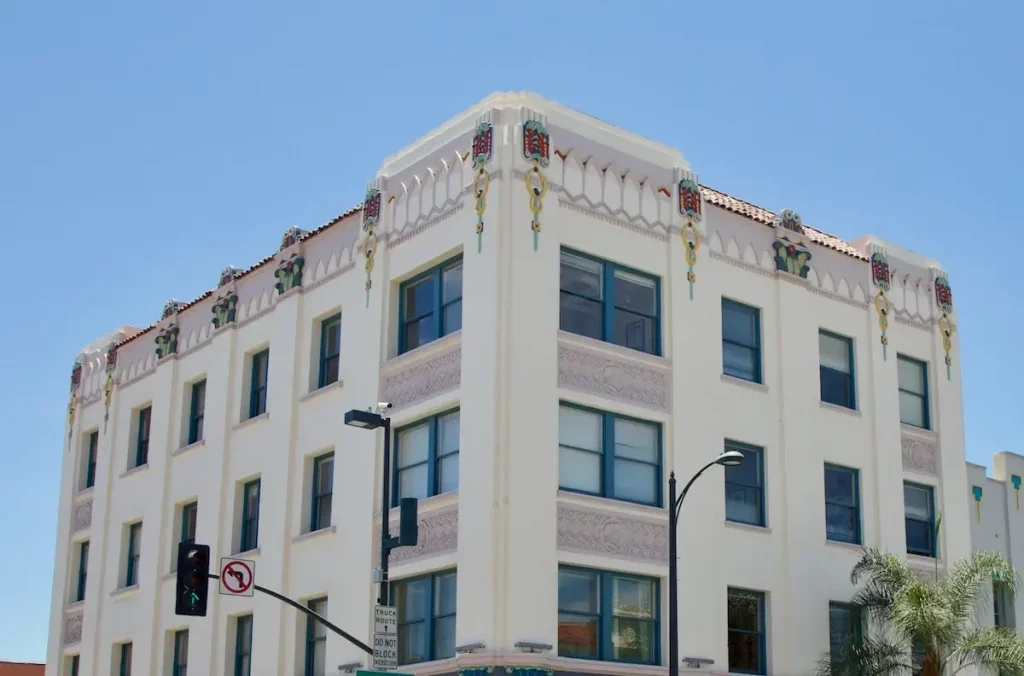
While neighboring Los Angeles chases rapid transformation, the quiet residential neighborhoods bordering Pasadena’s Arroyo Seco have preserved a remarkable collection of mid-century estates. Winding through these wooded ravines reveals masterworks of post-and-beam architecture hidden beneath massive eucalyptus trees. However, Pasadena’s design legacy extends far beyond these residential hillsides; stepping into the historic downtown core reveals a treasure trove of geometric Art Deco and sleek Streamline Moderne commercial buildings that shouldn’t be overlooked. Walking these shaded streets offers a deeply peaceful, unhurried look at how residential design harmonizes with a rugged natural landscape, while the city’s striking downtown facades celebrate the bold, glamorous spirit of early 20th-century urban architecture.
The vitality of Pasadena’s design legacy relies heavily on its capacity for adaptation, where historic structures seamlessly welcome modern commerce. A prime example of this dynamic intersection is the historic Dodsworth Building in Old Pasadena. Designed by Joseph Blick and built in 1902, this four-story landmark famously integrated the contemporary landscape by housing a bustling Cheesecake Factory (closed in 2024) at its base for decades. By inviting an iconic modern restaurant chain into a space defined by early 20th-century classical arches, the building demonstrates how the city’s historic neighborhoods can evolve commercially while fully maintaining their deep-rooted aesthetic identity.
7. Orange
This peaceful community holds one of the largest collections of mid-century modern Eichler tract neighborhoods in the state. Designed to bring upscale modernism to everyday living, these historic homes feature understated front facades that open up into dramatic, sun-drenched central atriums and open-concept living spaces. Strolling down these quiet residential avenues offers a nostalgic, design-forward look at California’s suburban golden age.
8. Palm Desert
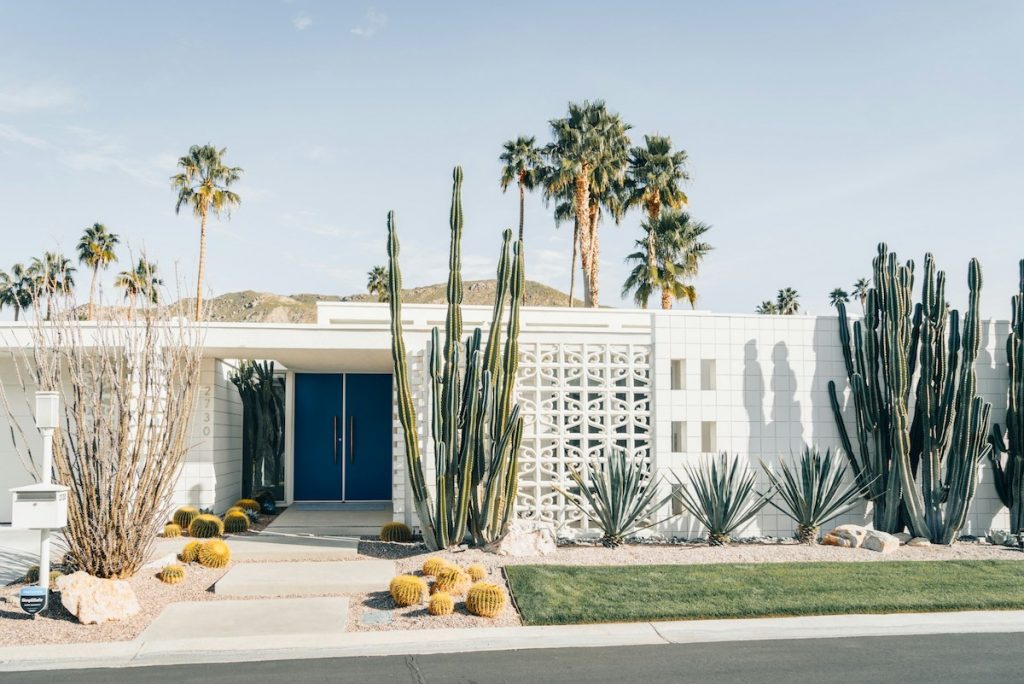
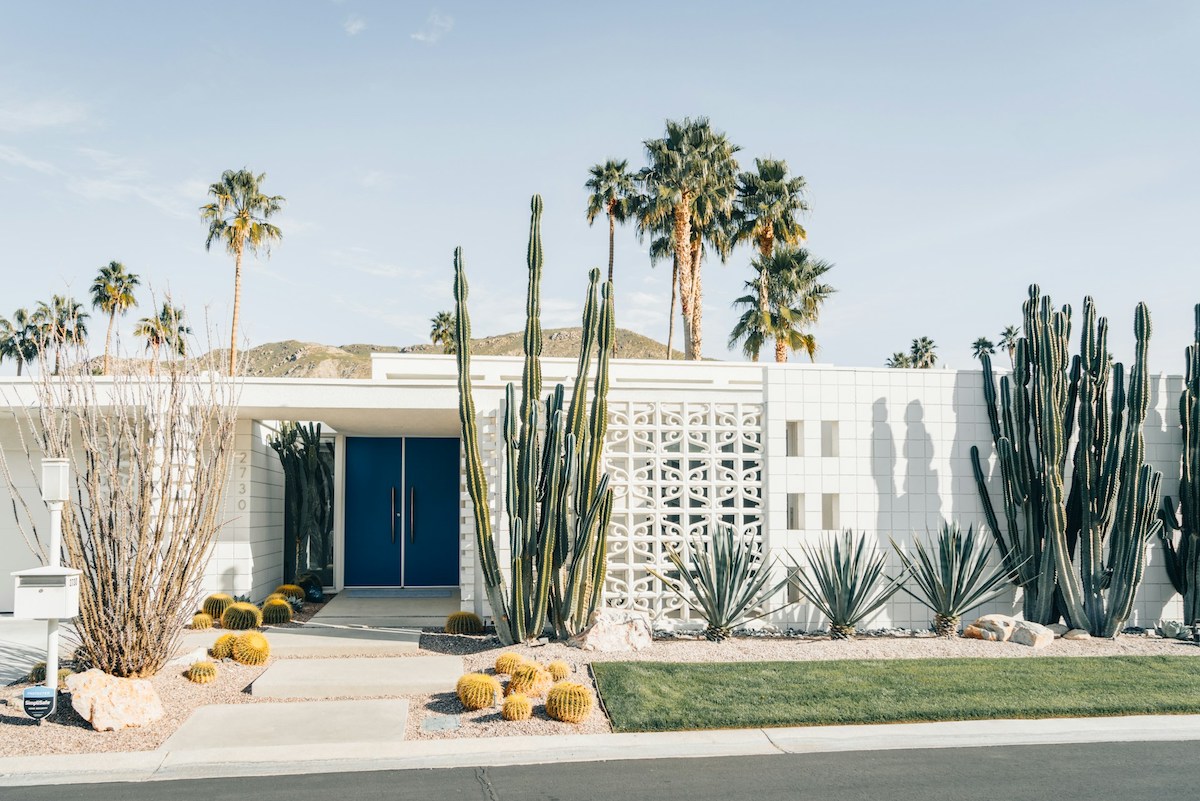
Tucked just past the busy commercial strips of Palm Springs, this community offers a much quieter, residential approach to desert modernism. Far removed from the bustling main avenues, the neighborhoods here are defined by sweeping, sand-colored properties that mimic the textures of the Coachella Valley landscape. Visionary post-war architects utilized dramatic, flat rooflines and deep roof overhangs specifically engineered to deflect the harsh midday heat. These structures rely on geometric breeze blocks and seamless walls of glass to blur the boundary between the interior and the rugged environment. Behind these minimalist facades lie private courtyards wrapped around pristine swimming pools, framed by drought-tolerant landscaping and towering palm trees. Wandering these peaceful streets offers a perfect afternoon detour for anyone currently following our three-day Palm Springs escape itinerary. Because the surrounding mountain shadows lengthen across these roads in complete silence, the atmosphere remains calm and unhurried, making the enclave an ideal destination for slow, deliberate architectural observation.
9. San Diego
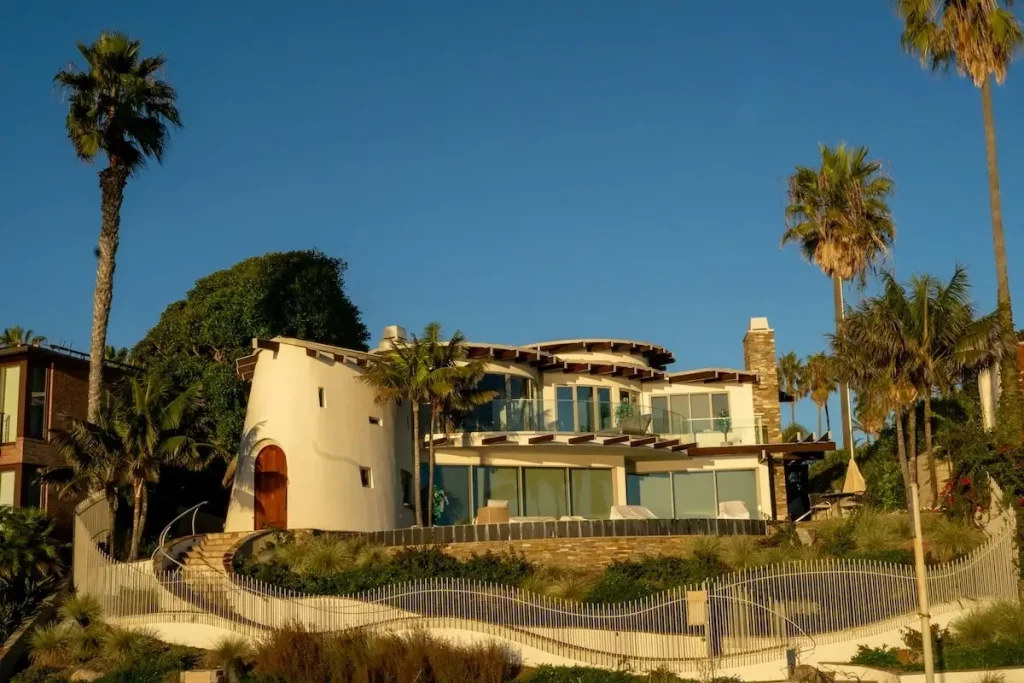
Stepping away from the marine gridlock reveals historic urban villages like South Park and North Park, which operate on an entirely different rhythm than the busy beach boardwalks. Even when you are miles away from the crashing waves, San Diego maintains the unmistakable vibe of a massive beach town, carrying an easygoing energy that cements its reputation as one of the most relaxed big cities in the United States. This distinct landscape is a direct product of the mid-century era, as the region experienced a massive post-war boom in the late 1940s that continued into the 1950s and 1960s, permanently reshaping the architectural fabric of these suburban neighborhoods. As aviation, military, and tech industries surged, a new generation of residents demanded housing that matched their forward-looking optimism.
Walking down these tree-lined residential streets today reveals custom mid-century modern bungalows, post-and-beam masterworks, and unique architectural gems tucked right along the edges of dry, quiet canyons. Exploring these neighborhoods is one of our favorite inland San Diego activities, offering a glimpse into how local builders and visionary architects took advantage of the city’s unique topography. By anchoring homes into steep hillsides and using expansive glass walls to maximize canyon views and natural cross-breezes, they created a unique aesthetic. The lifestyle here slows to a relaxed and mellow rhythm, celebrating neighborhood modernism, geometric breeze-block accents, and hidden garden courtyards that seamlessly blend indoor comfort with the mild southern California climate.
10. Borrego Springs
This low-desert oasis is completely encircled by state park wilderness and does not contain a single traffic light. Visionary builders established this basin as a secluded retreat, constructing low-slung, functional spaces featuring flat roofs and large glass panels that look directly out onto ancient geological formations. The night skies here are strictly protected as an official International Dark Sky Community, allowing you to enjoy mid-century modernism under a brilliant, unmarred canopy of stars.
The lasting impact of California design
Tracing California’s mid-century modern heritage from the northern timber bluffs down to the southern desert basins serves as a clear reminder that this movement did far more than introduce a new aesthetic. It fundamentally rewrote the rules of American culture. By dismantling the walls of traditional, insular housing, post-war architects structurally engineered a completely new way of living that celebrated optimism, forward-looking design, and a seamless democratization of indoor-outdoor space. This bold approach to structural transparency permanently influenced how generations of Californians interact with art, nature, and community, elevating the simple act of daily living into a shared cultural expression. These ten destinations show us that when we look past the frantic energy of the modern highway corridors, California’s built environment reveals its history at its most pristine and elegant. Ultimately, the architecture defining the spaces we live in and visit continues to cast a long, beautiful shadow over the state’s vibrant cultural identity.