Why southern Californians say “the” before highway numbers
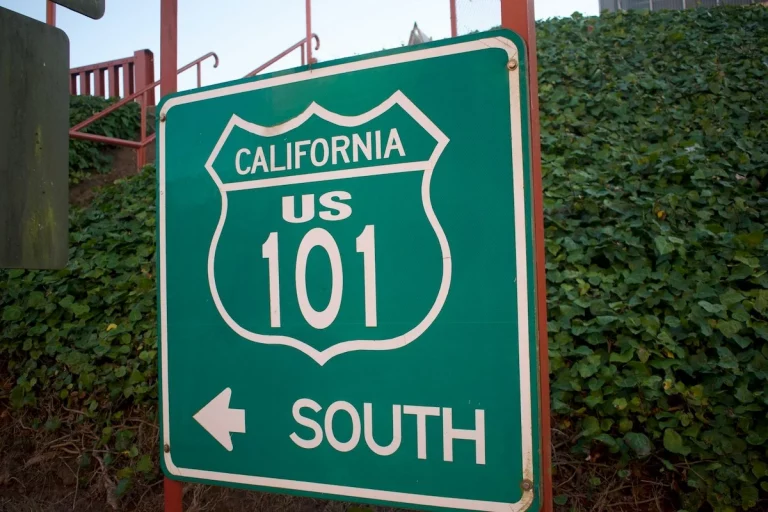
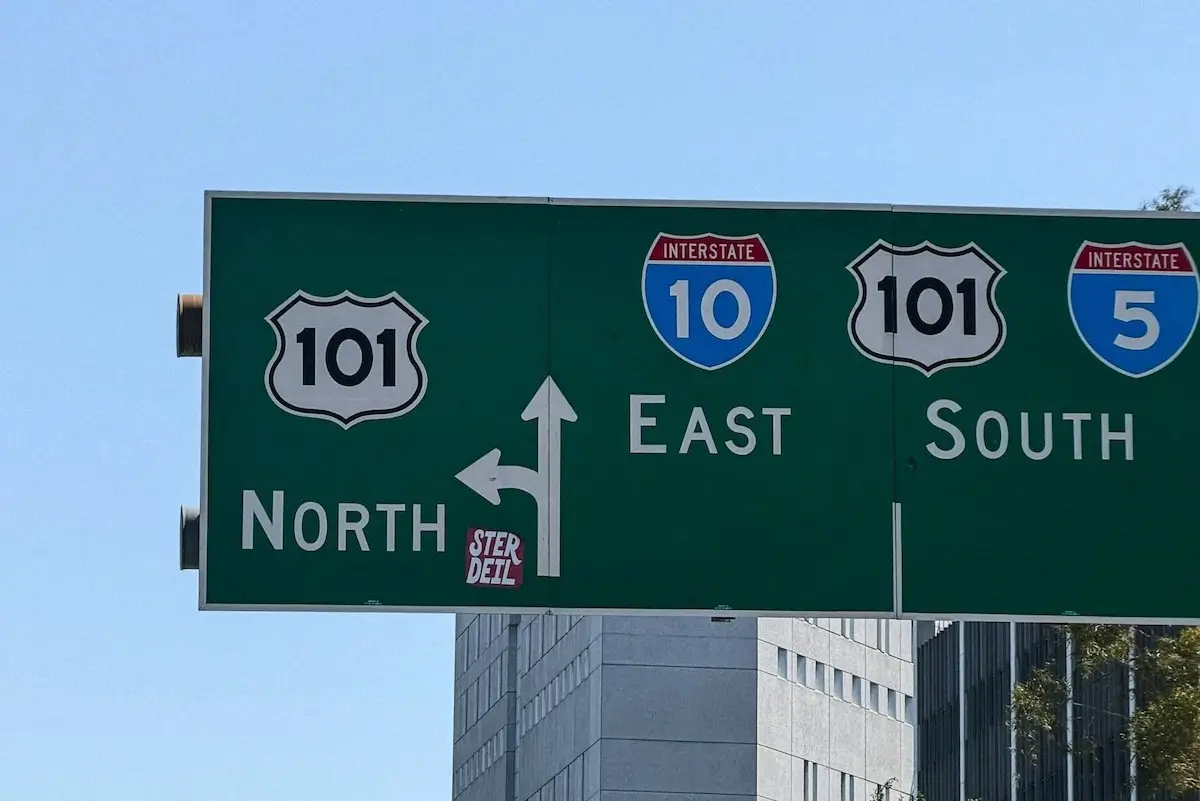
Saying “the” before a highway number is an instant clue about where a person spent their formative driving years. Tell someone in San Francisco that you are hopping on “the 101” to head south, and they will immediately recognize the southern California vocabulary. Up north, residents navigate via plain old 80 or Interstate 580. Down in the southern half of the state, those numbers are always introduced with a mandatory “the” prefix. This conversational dividing line is a fascinating reflection of early travel planning, mid-century broadcast habits, and a massive state paperwork cleanup.
The era of named freeways and local navigation
Southern California developed its high-capacity roadway network long before the federal government rolled out the uniform Interstate Highway System in 1956. Because there was no nationwide numbering grid back then, local planners gave these massive transit paths descriptive names based on their geographic destinations.
During the 1940s, the new commuter routes slicing through the Los Angeles basin were built to connect specific communities. The very first freeway in the region opened in 1940 as the Arroyo Seco Parkway. Soon after, daily travel revolved around a map filled with regional names like the Hollywood Freeway, the San Bernardino Freeway, the Santa Monica Freeway, and the Harbor Freeway.
Because these roads were identified by proper names, it felt natural to put the word “the” right in front of them. People simply stated they were taking the Hollywood Freeway to get across town. This phrasing became an unconscious daily habit for millions of residents as suburban neighborhoods grew and personal vehicles became the main way to travel around the region. Radio traffic reporters cemented the habit, using the popular local names as the clearest way to share morning commute updates with their listeners.
Hyper-local nicknames inside the southland network
This system of naming roads created a secondary linguistic quirk: highly localized highway nicknames that vary from city to city. California’s regional identities are distinct enough that travelers in one county frequently use freeway names that residents in neighboring counties might not even recognize.
A prime example sits at the southern end of the Central Valley in Bakersfield. To a traveler from Los Angeles, the roadway heading east toward the mountains is simply State Route 178, or the 178. But locally, Bakersfield residents call a specific western portion of this road the Crosstown Freeway.
The nickname tells a story of unfinished regional planning. In the original mid-century blueprints, the Crosstown Freeway was designed to be the final leg of an interconnected highway triangle called the West Bakersfield Interchange. It was supposed to seamlessly link State Route 99, State Route 58, and State Route 178 through a single central junction.
Instead, due to sudden state budget shifts and environmental pauses in the late 1970s, the project was scaled back. The proper freeway abruptly terminates at M Street, leaving a 1.5-mile gap of ordinary city traffic blocks before it converts back into a highway. While an outside driver would look at a map and completely miss the distinction, to a Bakersfield local, the Crosstown Freeway specifically refers to this exact uncompleted, high-speed fragment.
The great structural renumbering of 1964
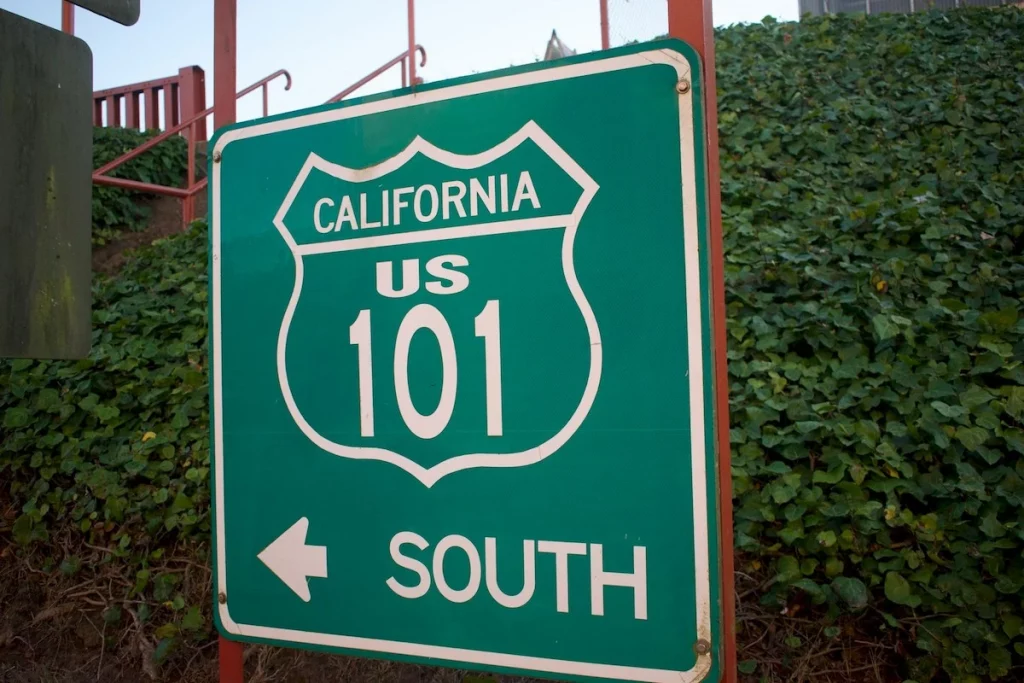
The transition from descriptive names to simple numbers happened systematically with the California Highway Renumbering Act of 1964. The state stepped in to untangle a complicated web of overlapping highway designations, swapping out the local titles for a streamlined grid of state, federal, and interstate numbers. The Hollywood Freeway officially became U.S. Route 101, and the San Bernardino Freeway transformed into Interstate 10.
But legislative paperwork rarely changes how people actually speak in their daily lives. Instead of dropping “the” to match the new federal template, southern California drivers just crossed out the old name and slid the new number into the exact same sentence structure. The phrase the Hollywood Freeway instantly became the 101, and the Santa Monica Freeway turned into the 10.
This quick verbal shortcut allowed residents to read the new green highway signs while keeping their established conversation style. The habit proved incredibly resilient, passing down seamlessly to younger generations who never even saw the original names on the old paper maps.
Geographic boundaries and linguistic division
The survival of “the” marks one of the sharpest cultural lines dividing the northern and southern halves of the state. Southern Californians use it for every single route on the asphalt grid, while northern Californians skip it entirely, using the bare-number style common throughout the rest of the country.
This internal split happened because northern California’s highways were constructed slightly later and relied almost purely on federal money from day one. Commuter paths like Interstate 80 or Interstate 580 in the San Francisco Bay Area never had local names attached to them before the numbers arrived. Bay Area travelers called them by their digits from the very first day of paving, creating an accidental language border inside the state lines.
Today, using “the” before a number is a living historical artifact from the early days of California travel. It serves as a daily reminder of an era when freeways were treated as specific regional landmarks instead of identical government projects. If you want to see how these legendary driving routes link up across the state, read through The master compass: California’s definitive curated itinerary networks to see how they fit into a larger multi-region journey.
Modern digital navigation and systemic resistance
The rise of mobile GPS applications has introduced a new layer to this regional friction. Mapping apps rely on standardized federal databases, so voice assistants default to reading out formal numbers like Interstate 405 South.
Despite hearing these automated prompts daily, southern California habits refuse to budge. Travelers do not adjust their vocabulary to match their dashboards. Instead, residents actively translate the app’s formal terminology back into regional phrasing like the 405 when talking to family or texting friends about arrival times.
This resistance to digital standardization proves that the linguistic prefix functions as a social boundary marker. Using the article signals that a traveler knows the local territory and fits into the unique rhythm of the southern California transit system, overriding the generic phrasing pushed by global technology platforms.