St. Helena getaway: an elegant inland escape
While many visitors view the region as a collection of scenic afternoon tasting stops, the true character of St. Helena unfolds for those who look for a deeper, more permanent connection to the land. This historic upper valley enclave moves beyond the transient pace of standard vacation destinations, trading rapid sight-seeing loops for a grounded, immersive experience in regional heritage. Instead of commercialized corridors, the tree-lined streets feature a balanced row of independent galleries, centuries-old stone facades, and locally owned dining rooms. It is a destination built on the principle that true refinement requires no pretense, offering an atmosphere that feels remarkably steady and rooted in tangible craftsmanship.
The physical constraints of the narrow northern basin naturally restrict the pace of daily life. Framed by steep mountain ridges, the town serves as a dead-end filter for the heavy day-tripper traffic that fills the lower end of the valley. This geographic sheltering allows the community to maintain a highly exclusive environment where visitors can enjoy long stretches of open space and predictable inland warmth. It welcomes travelers who prioritize historical depth over tourist spectacles.
The proximity to major metropolitan centers makes this profound sense of seclusion feel like an intentional indulgence. A traveler can easily navigate the vibrant, high-energy urban core of San Francisco or Oakland and, within ninety minutes, retreat to an expansive hillside veranda where the evening breeze moves through the oaks. This ease of access makes the town an ideal addition to a broader California travel while discovering the Golden State. The sharp contrast between the nearby cities and this tucked-away sanctuary highlights the deliberate pacing of the community. It provides every practical modern convenience of a highly connected market while functioning as a private, engaging refuge that keeps the busy outside world at a comfortable distance.
The unique geographic layout of the upper valley
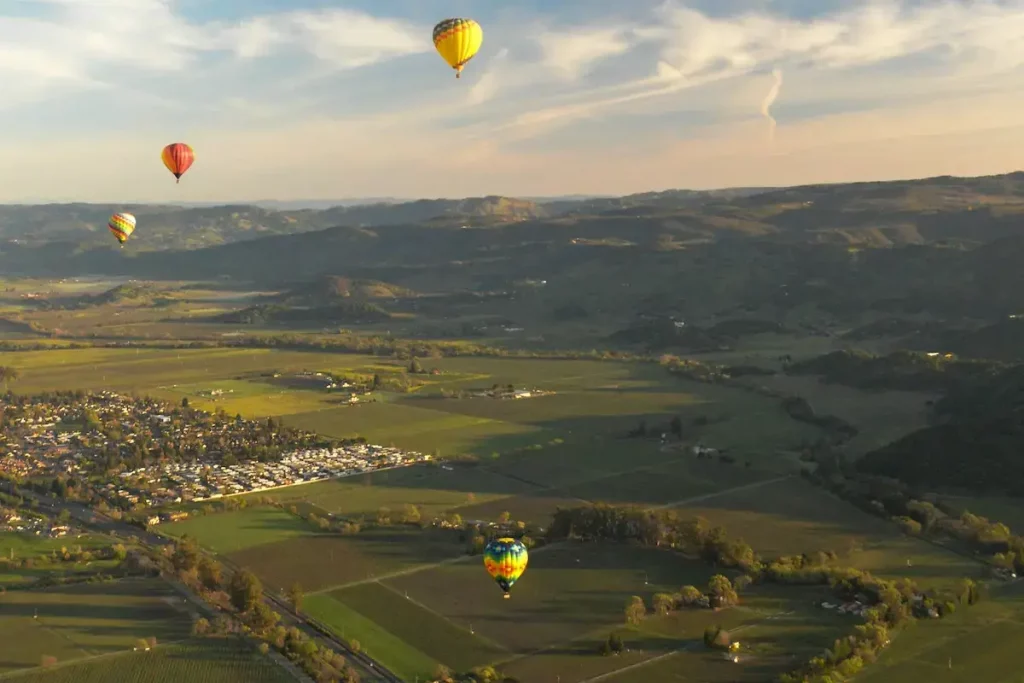
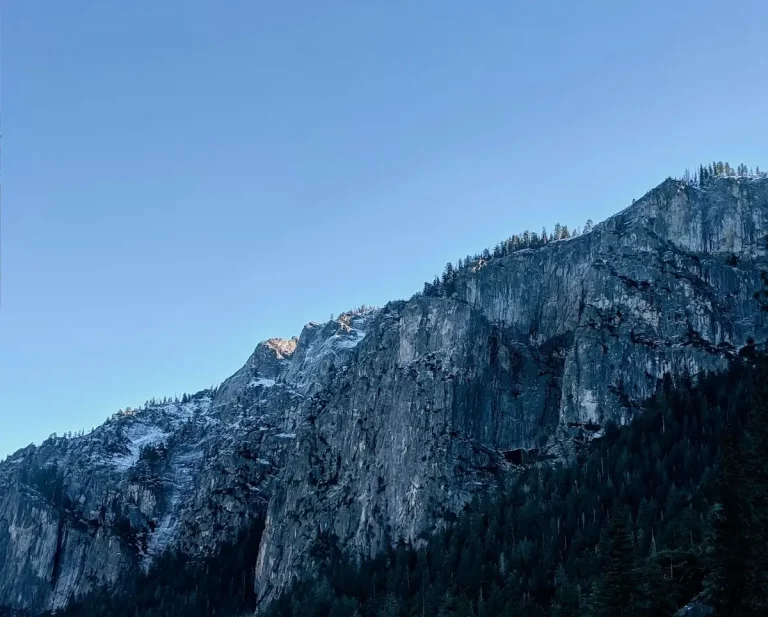
The layout of the inner valley floor is defined by a flat basin rimmed by impressive mountain borders. The surrounding ridges shelter this pocket of land, trapping the warmth of the California sun while allowing cool evening mist to settle over the fields. This precise geographic configuration created a highly specialized terrain where ancient volcanic eruptions left behind rich, mineral-dense volcanic soils. This distinct earth yields exceptional organic abundance, stretching out in flawless parallel rows toward the rugged stone palisades.
Visitors who arrive during the autumn harvest witness a valley transformed into a rich patchwork of amber and crimson, framed perfectly by dark evergreen forests. This striking inland landscape makes the town a foundational anchor for any upscale Northern California wine country itinerary. The visual geometry of the changing leaves against the stark gray mountainsides offers a striking background for quiet exploration.
The primary draw for travelers is the collection of historic lodging estates tucked away into the forested folds of the hillsides. These properties emphasize private veranda living, where guests can wake up to the sight of morning mist rolling across manicured lawns and private gardens. True relaxation means spending an afternoon on a shaded stone terrace, listening to the wind through the valley oaks, and enjoying a level of attentive, intuitive hospitality that anticipates every need before it arises. It provides an exclusive sanctuary where the outside world completely fades away.
The physical boundaries of the town encourage an intimate exploration of the immediate terrain. Footpaths wind through ancient oak groves and skirt the edges of manicured lawns, offering clear vistas of the surrounding mountain peaks. This close connection between the managed grounds of the estates and the wild contours of the foothills creates a balanced, harmonious environment that puts the mind at ease.
Exploring the historic stone architecture of St. Helena
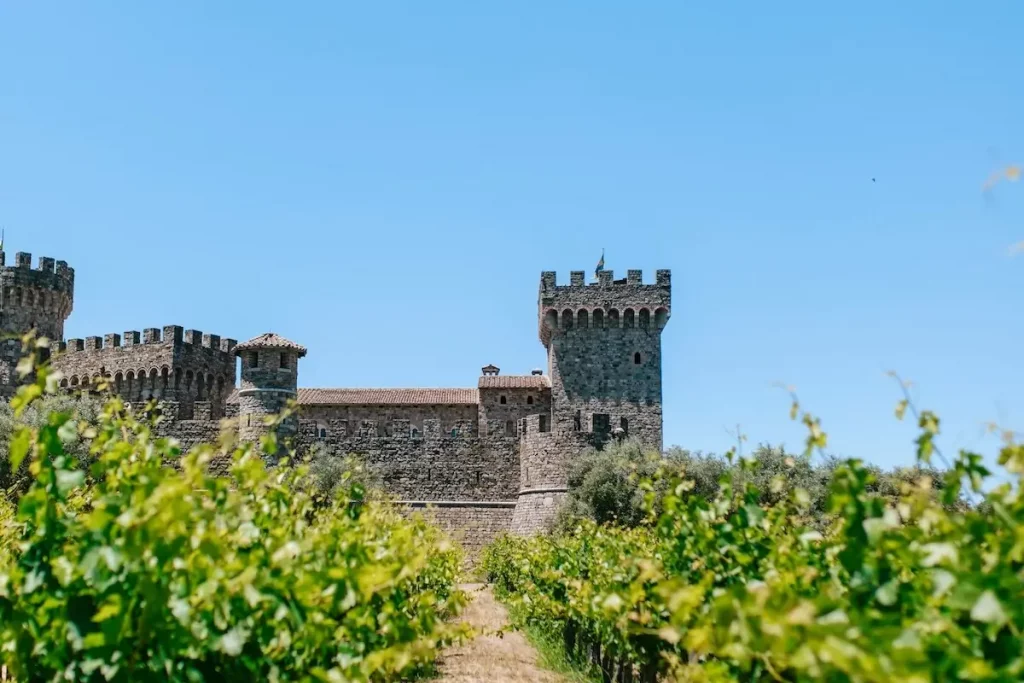
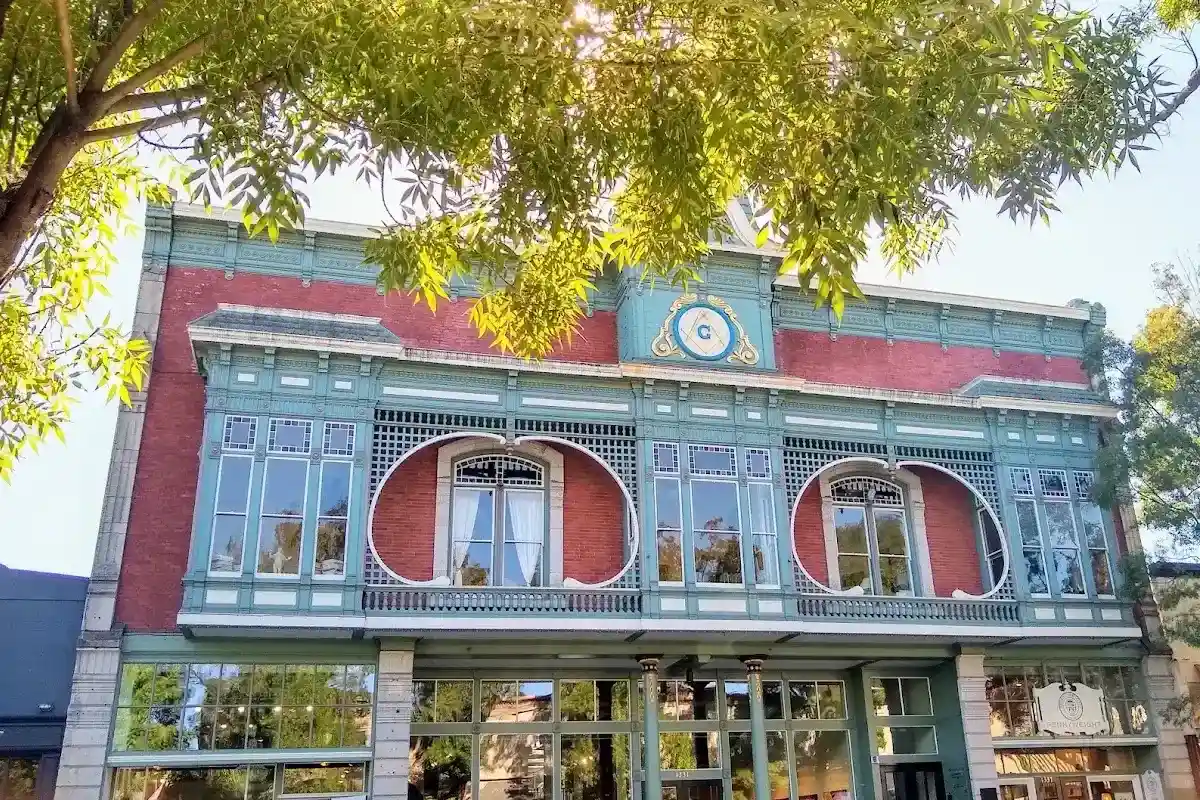
The architectural narrative of the district reflects a period of structural permanence that began in the late nineteenth century, when European immigrants recognized the incredible agricultural potential of the valley floor. Early settlers eschewed temporary timber to construct massive, thick-walled structures out of locally quarried yellow limestone. These historic stone monoliths still dominate the landscape today, offering a cool sanctuary from the summer heat and grounding the region with a sense of historic antiquity.
The preserved downtown commercial district displays an elegant collection of Victorian storefronts and stone facades, offering a beautiful look into the early days of regional commerce. It remains a crucial destination for readers mapping out historic California agricultural landmarks. The enduring quality of these buildings provides a tangible link to the past, remaining entirely free from modern architectural trends.
Visitors are captivated by the quiet lifestyle that defines the community. A perfect day involves wandering through beautifully preserved historic corridors to discover rare books, fine art galleries, and bespoke home goods without the pressure of crowds. Travelers are drawn to the exclusive educational experiences available, such as private olive oil pressings from ancient groves or historical architecture tours of nineteenth-century stone structures. It is a place that validates a slower, more intentional way of traveling, making it an essential destination for those who appreciate true heritage.
The tactile quality of the local limestone brings a unique texture to the entire town. Walking past these hand-hewn walls offers a physical connection to the hands that shaped the valley floor over a century ago. The cool touch of the stone on a warm summer afternoon serves as a comforting reminder of the enduring nature of regional craftsmanship.
Discovering an authentic alternative to Yountville
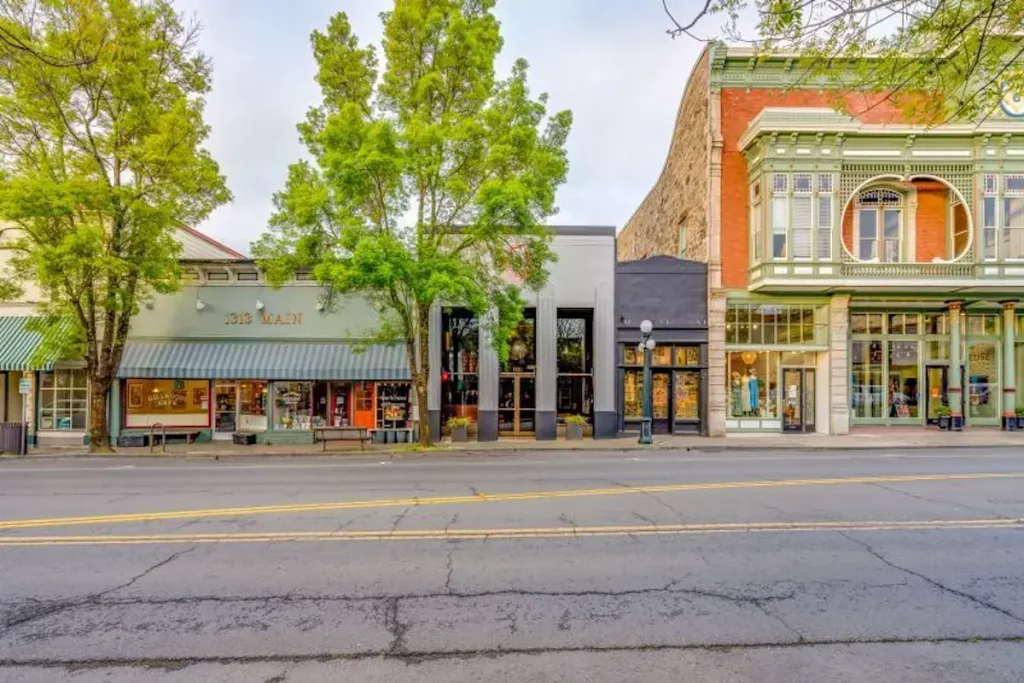
When planning an upscale escape to the region, many travelers automatically default to highly publicized southern hubs like Yountville. While those locations offer undeniable commercial appeal and highly concentrated dining plazas, they often suffer from a performative atmosphere that follows intense global popularity. Choosing this northern enclave instead offers a completely different, highly sophisticated travel experience rooted in authenticity. Where other destinations can feel like meticulously designed tourist villages engineered for a fleeting visit, this community remains a living, breathing historic town with a genuine soul.
The elegance here is integrated naturally into the fabric of daily life, rather than being staged for crowds of passing tourists. The streets are inviting, the interactions with boutique owners are more personal, and the overall atmosphere feels like a well-kept secret rather than a crowded tourist attraction. By moving further north into the narrowest part of the valley floor, visitors leave behind the heavy traffic and commercial retail chains. The reward is a destination that feels deeply exclusive and completely grounded in its own identity. It is the definitive choice for the traveler who prefers an inspiring morning walk past a nineteenth-century limestone building over a crowded waiting line at a famous downtown plaza.
The art of an unhurried St. Helena
A common mistake is treating the region as a brief afternoon stopover, when the depth of the local culture easily justifies a multi-day immersion. A true three-day escape allows a visitor to unlock the different layers of the lifestyle, moving beyond superficial sightseeing to develop a genuine familiarity with the welcoming environment. An ideal itinerary balances slow morning explorations of the walkable historic core with restful afternoons spent on private resort terraces.
One day can be dedicated to discovering the rich literary history of the mountainsides, exploring archival libraries and walking the scenic trails that inspired classic nineteenth-century adventure books. Another day allows for a slow immersion into the agricultural arts, learning the craftsmanship behind hand-pressed olive oils from ancient groves or touring the historic water mills that still grind grain using ancient methods.
Evenings are reserved for the grand ritual of the local food culture, where dinners stretch across hours in candlelit stone dining rooms or under the shade of mature olive trees. Because the pace of the town is deliberately unhurried, a traveler needs these extra days simply to practice the art of fully absorbing their surroundings. The true value of a longer stay is the luxury of time, allowing guests to completely detach from their normal schedules and synchronize with the vibrant movement of the seasons.
Experience the farm to table culinary heritage

The food culture of this inland region relies entirely on its hyper-local geography, where the immediate proximity to deep, fertile volcanic soils creates an exceptional ingredient-driven food scene. Many kitchens throughout the district operate their own private organic gardens just miles down the road, picking heritage vegetables, rare herbs, and edible blossoms at dawn to be served by sunset. For tourists, this means a menu is never static, shifting dynamically to offer a sensory connection between the organic estate gardens and the dinner table.
This style of dining emphasizes a return to elemental cooking techniques, utilizing massive open wood fires and local hardwoods to slow-roast grass-fed meats and caramelize local stone fruits. This technique rejects complicated modern culinary theater in favor of deep, smoky flavors and rustic warmth. The grain heritage of the valley floor also lives on through a vibrant community of artisan bakeries that utilize slow, natural fermentation and regional mills to create dense loaves and crisp morning pastries. For tourists, these bakery stops offer a perfect window into daily local rituals, representing the height of simple, unhurried refinement that pairs flawlessly with a broader exploration of world-class California culinary heritage destinations.
Connecting with the soul of the valley
Choosing a getaway to this upper valley destination allows you to trade the transient pace of standard tourism for an elegant residency steeped in history and natural beauty. By prioritizing independent craftsmanship, architectural permanence, and an intimate connection to the landscape, the community provides a grounded sanctuary just a short drive from major northern hubs. Whether you spend your days exploring historic stone corridors, appreciating the hyper-local food culture, or simply resting on a secluded terrace, you will discover an authentic lifestyle that consistently brings visitors back season after year.