Taste the rebellion: Berkeley and the birth of California cuisine
The global narrative of modern fine dining often traces its roots to the white-tablecloth establishments of Europe, but the foundational shift toward sustainable, ingredient-first eating found its true home in a completely different climate: the unique regional weather patterns of Northern California. Long before agricultural transparency became a common menu expectation or a marketing buzzword, a quiet culinary rebellion in Berkeley fundamentally altered how people connect with the land.
For the slow traveler, exploring the East Bay is not just a culinary tour, but a sensory journey through the living history of an American food revolution that you can learn more about by exploring our comprehensive guide to California’s regional food and viticulture. Today, this legacy survives in the neighborhood food cultures, hyper-local bakeries, and community gardens that still prioritize natural, slow fermentation and biodiversity. If you are looking for a holiday that feeds both your soul and your stomach, it is time to look closely at the city that changed how a nation eats.
Microclimates and the Berkeley food culture geography
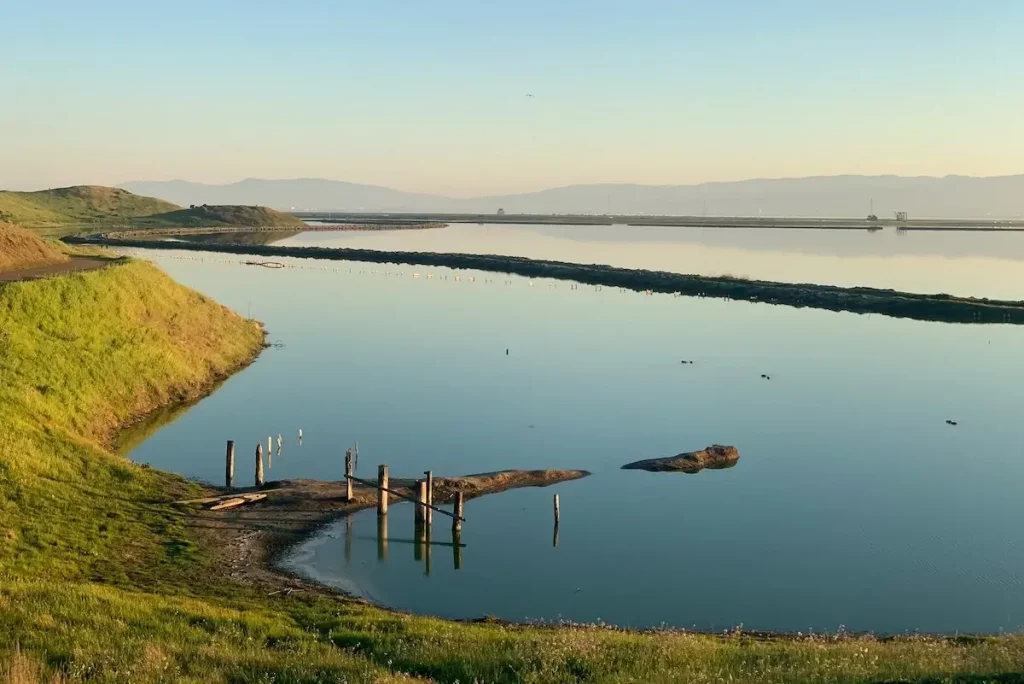
The sudden evolution of California’s food culture in the 1970s was entirely dictated by geography. Nestled between the chilly marine fog of the San Francisco Bay and the warm, sun-baked hills inland, Berkeley occupies a highly varied ecological landscape. This immediate access to diverse growing zones allowed early culinary pioneers to reject the post-war industrial reliance on processed, frozen, and canned foods.
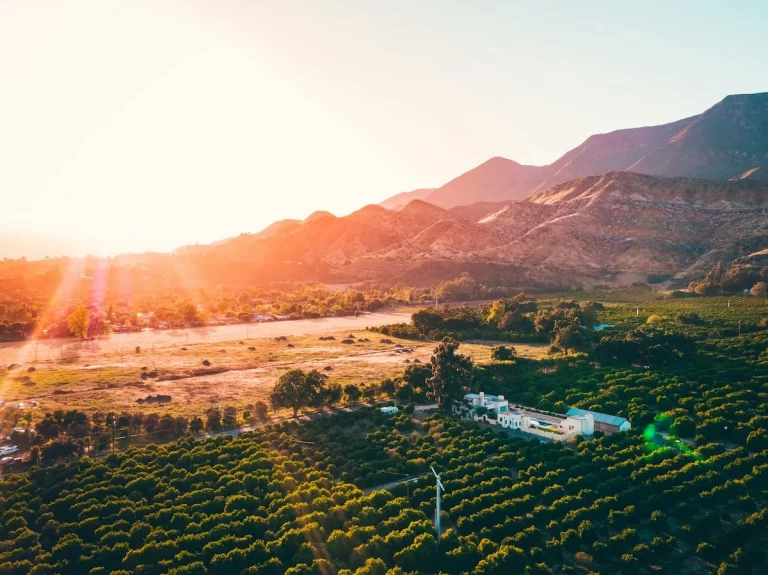
Instead of relying on cross-country supply chains or rigid corporate distribution networks, local chefs looked outward to the surrounding landscapes. The unique microclimates of the East Bay acted as a natural canvas for a new kind of cooking. The coastal fog belts proved perfect for cultivating crisp, cool-weather leafy greens, peppery radishes, and delicate chicories. Just over the hills, fertile volcanic soils provided optimal conditions for heritage stone fruits—like perfect, sun-ripened peaches—and heirloom nightshades. Along the forested bluffs nearby, foraging traditions emerged that brought wild chanterelles, miner’s lettuce, and native herbs directly to urban kitchens.
For a visitor today, this means the landscape dictates the menu. Traveling through the region offers a physical lesson in how topography shapes flavor, turning an ordinary lunch into a masterclass in local ecology.
The counterculture roots of farm-to-table history
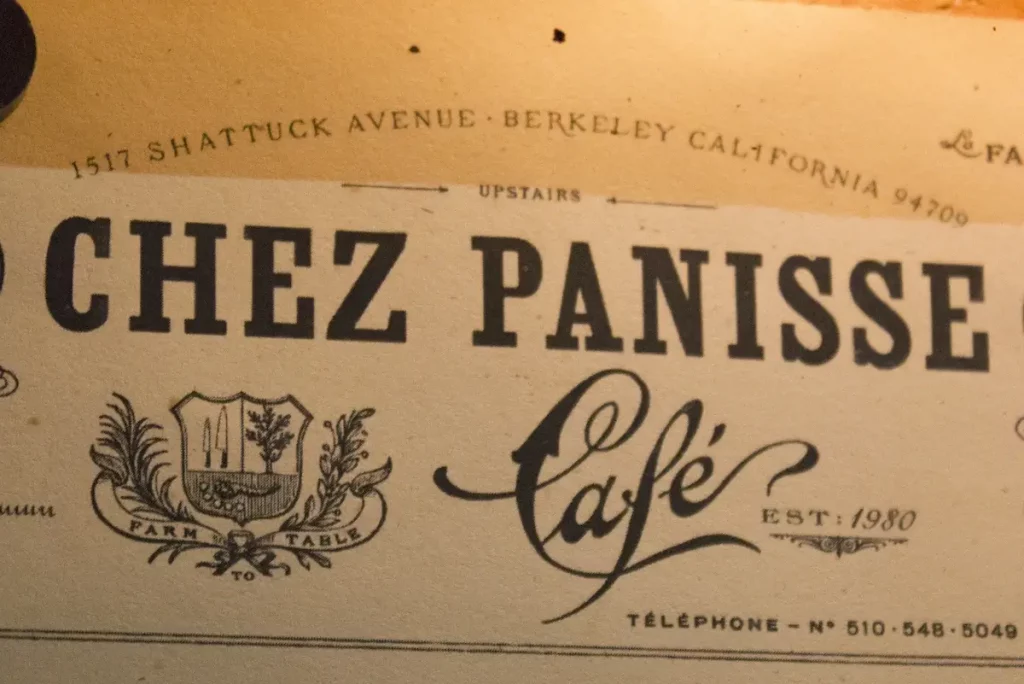
The historical epicenter of this movement sits at a single, unassuming address on Shattuck Avenue. In 1971, Alice Waters opened the doors to Chez Panisse, effectively launching the American farm-to-table movement. Driven by the era’s passionate counterculture spirit, the kitchen operated on a radical premise: cooking only what was fresh, seasonal, and grown by local, independent farmers who treated the earth with respect.
This localized approach predated the official formation of the International Slow Food organization in Italy by over fifteen years, establishing a parallel philosophy centered on ecological responsibility and the simple pleasure of an unhurried meal. The restaurant rejected static, complicated menus in favor of a daily-changing selection that reflected the precise state of the local harvest. If a farmer brought in perfect figs that morning, figs were on the menu that night. This radical focus on sourcing fresh ingredients connects deeply to the broader history of agricultural movements, showing that food could be a form of beautiful, peaceful protest against industrialization.
The Gourmet Ghetto: Unpacking the outside label
As the movement grew throughout the 1970s and 1980s, it developed a fascinating social landscape that continues to shape the neighborhood’s identity. Berkeley’s wealth has historically been divided by its landscape. The Flatlands, which were the lower-elevation areas closer to the bay, were traditionally working-class, racially diverse, and home to student renters. In contrast, the tree-lined streets of North Berkeley and the hills climbing away from Shattuck Avenue were predominantly affluent, populated by university professors, intellectuals, and professionals.
This created a highly specific cultural bubble. The chefs, bakers, and farmers themselves often lived communal, counterculture lifestyles, focusing on saving heritage seeds, supporting small-scale organic agriculture, and celebrating simplicity. However, the regular working-class residents or average college students of the era couldn’t easily afford to dine at these pioneering, high-end artisan establishments on a regular basis. The customer base largely consisted of the university elite and affluent residents from the hills who possessed the financial freedom to prioritize expensive, artisan, and organic ingredients.
This exact tension, where affluent homeowners passionately debated the ethics of organic goat cheese and the crumb structure of slow-fermentation sourdough, is precisely where the neighborhood’s most famous nickname comes from. Local columnists, comedians, and satirists began calling the North Shattuck neighborhood the “Gourmet Ghetto.” It was entirely an outside label, a tongue-in-cheek term coined by spectators to gently poke fun at the neighborhood’s unique bubble. The insiders, meaning the chefs working the line and the farmers driving in from the valleys, rarely used it. They viewed their work as a serious, earth-first return to the land, not an exclusive club. For the modern traveler, understanding this witty insider-versus-outsider dynamic adds a rich layer of humor and history to every street corner.
The sustainable travel itinerary for your East Bay trip
To experience the slow food movement in the East Bay today is to engage directly with the agricultural lineage established decades ago. Travelers seeking a deeper connection to this culinary heritage can easily structure a perfect holiday around the elements that continue to define the area.
1. The North Shattuck stroll
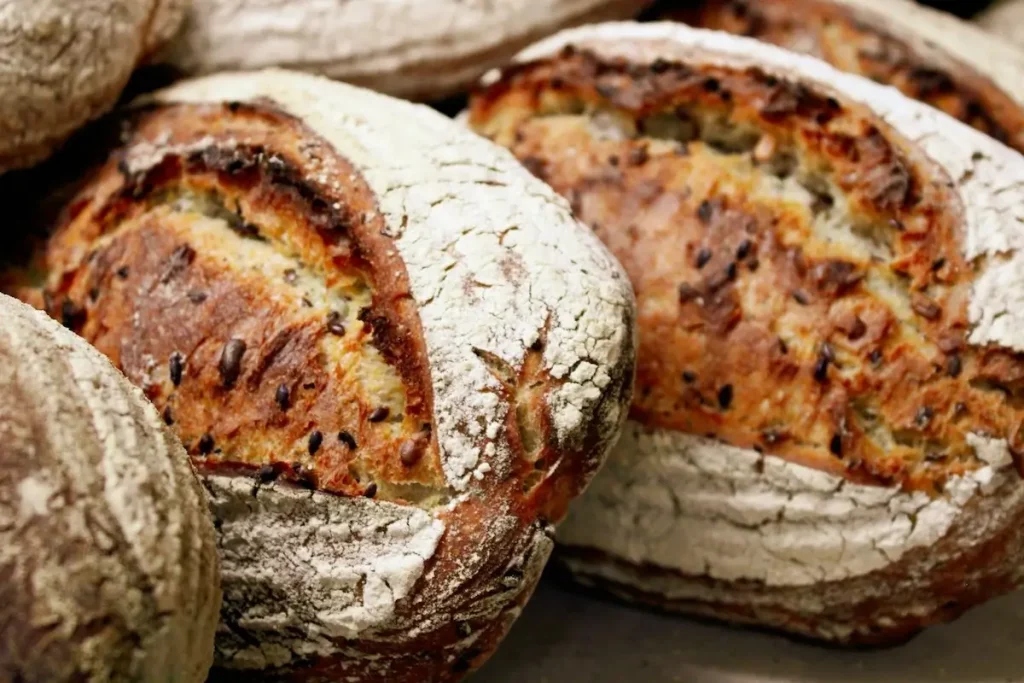
Start your morning where it all began. Walking the quiet, tree-lined streets of North Berkeley reveals a historic neighborhood network where artisan bakeries still utilize natural, slow fermentation techniques to craft daily breads. Take your time visiting local cheese shops, independent bookstores, and open-air produce stands. You can feel the history in the architecture—shingle-style homes blending seamlessly with bustling, independent storefronts.
2. Urban agriculture and community gardens
Exploring the local community gardens scattered throughout the city serves as a direct reminder of how the movement successfully bridged the gap between urban dining and sustainable soil health. Many of these gardens offer workshops or open hours where travelers can talk to local growers, touch the soil, and see biodiversity in action right in the middle of a bustling city.
3. Cool-climate natural wine tasting
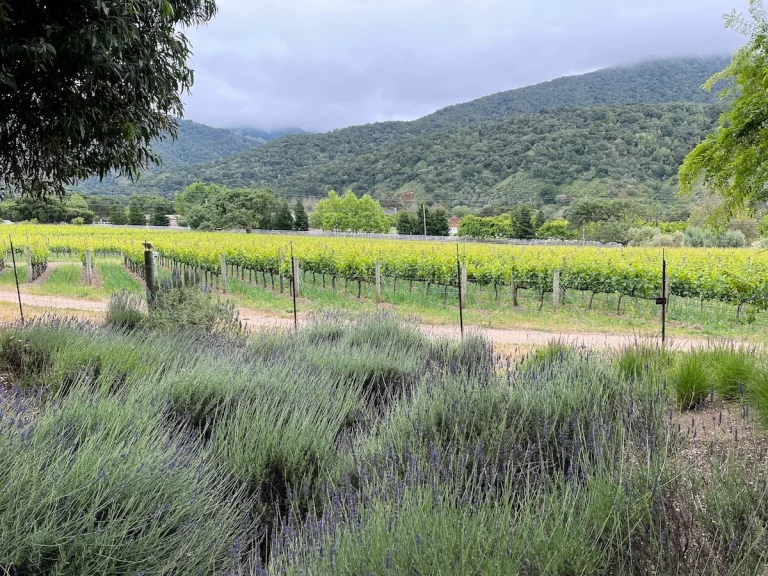
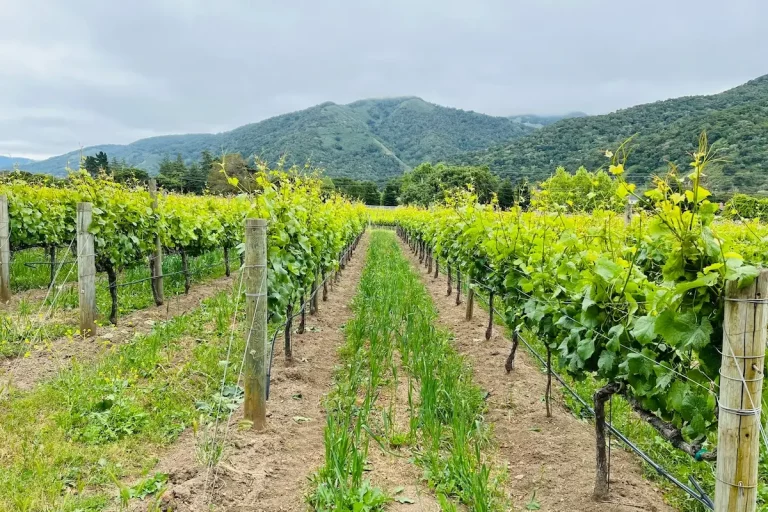
To complete the experience, travelers can seek out local wine bars and bottle shops that highlight cool-climate, organic, and biodynamic wines sourced directly from the nearby valleys. Celebrating bottles shaped strictly by regional marine fog and natural fermentation, these spaces offer a pour of Northern California’s true terroir, free from heavy industrial additives.
Why Berkeley belongs on your vacation radar
Berkeley isn’t just a place to grab a quick bite between sightseeing stops. It’s truly a destination where the food itself becomes the journey. Choosing a slow travel approach here actively supports the independent supply chains, dedicated organic farmers, and passionate kitchen artisans who keep the original 1971 culinary dream alive today. It’s a holiday that constantly invites you to slow down, ask exactly where your ingredients came from, and savor the unique microclimates of Northern California one incredible bite at a time. You’ll quickly find that the local dining rooms tell the story of the landscape better than any guidebook ever could.