California wine & dine travel guide to regional food and viticulture
A comprehensive understanding of California travel and tourism requires an investigation into how the state’s diverse geography shapes its culinary ecosystems. California is defined by unique microclimates that dictate agricultural outputs, viticultural profiles, and regional dining philosophies. Trying to pin down the definitive California food and wine scene is completely impossible. The culinary landscape shifts way too fast for that, and honestly, you could fill an entire library with the mountain of PhD dissertations written on the complex history of food in the Golden State. We are not trying to rewrite those massive history books here. Instead, this master index is your ultimate cheat sheet, giving you a quick, digestible overview of the state’s wildly different regions and the exact roles they play in our broader, ever-evolving food culture.
Think of this page as your launchpad for a much larger journey. We have mapped out the entire state into three distinct, easy-to-navigate terrain zones consisting of inland valleys, coastal corridors, and mountain highlands. Breaking the state down by its raw geography helps you see the big picture before you start diving into our hyper-focused logistical guides for individual towns and specific tasting rooms.
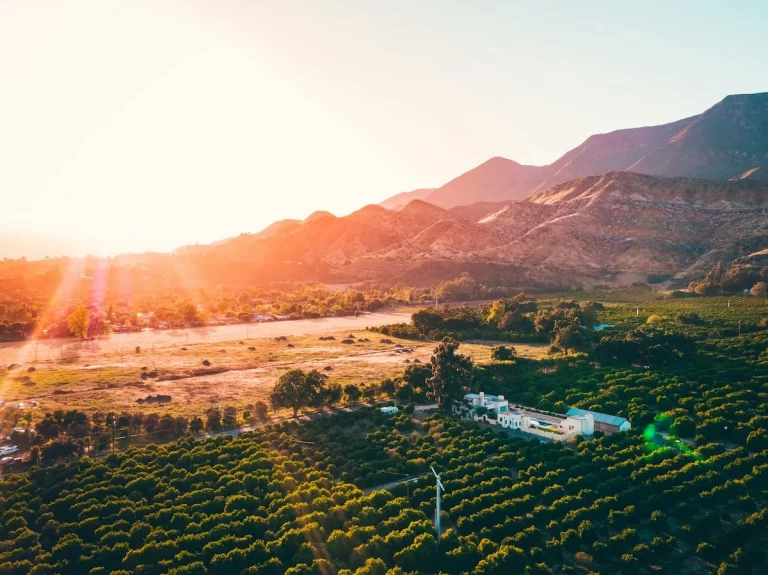
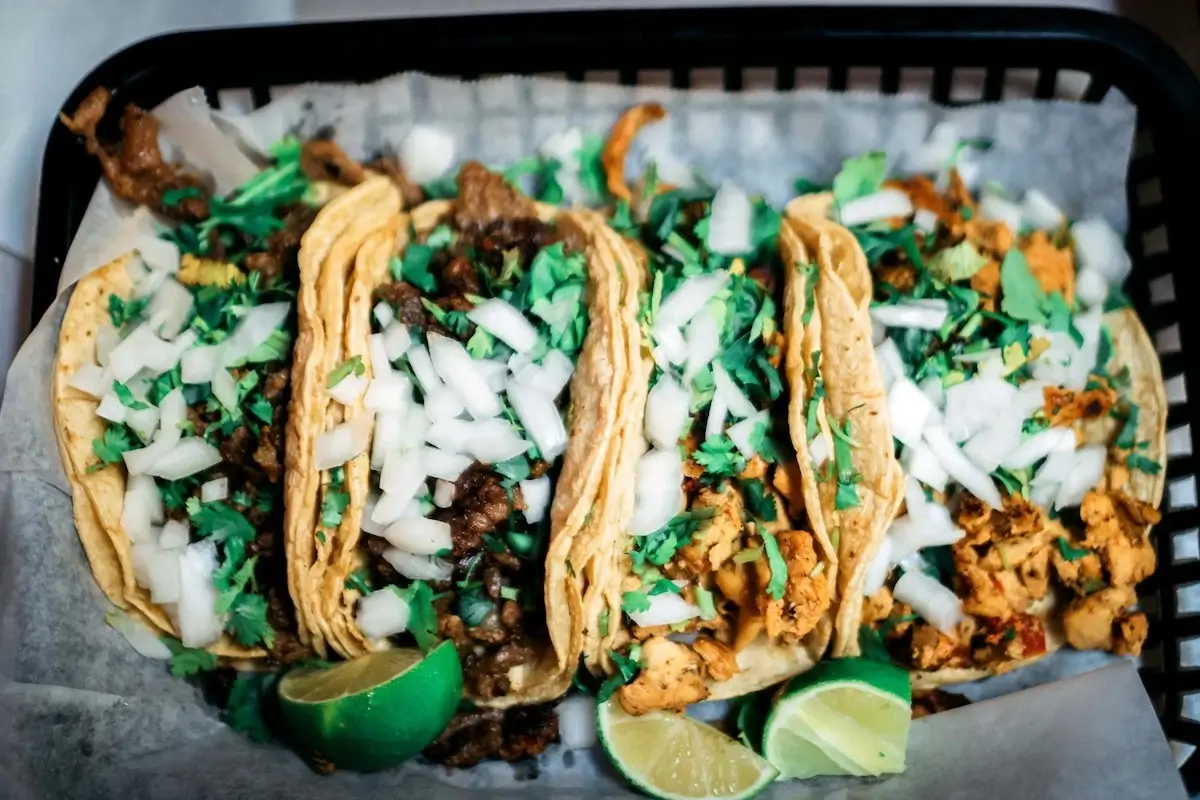
You cannot talk about the soul of California food without looking at two massive cultural pillars that changed how the entire world eats. First, there is the beautiful, unchanging simplicity of the classic street taco, a culinary masterpiece brought over by generations of immigrant workers that became the literal heartbeat of the state’s daily food scene. On the exact opposite end of the spectrum, California served as the ultimate fertile ground for the American branch of the slow food movement. Pioneered right here in the seventies by culinary rebels who rejected the rise of processed fast food, this philosophy completely transformed the way we value organic farms, fresh local ingredients, and the simple joy of sitting down together for a long, intentional meal. The coastal valleys running just behind the maritime fog line perfectly capture this philosophy, best experienced by exploring Ojai and enjoying a slow afternoon in California’s hidden valley before you trace the seafood routes further up the open highway.
The foundational roots of California cuisine
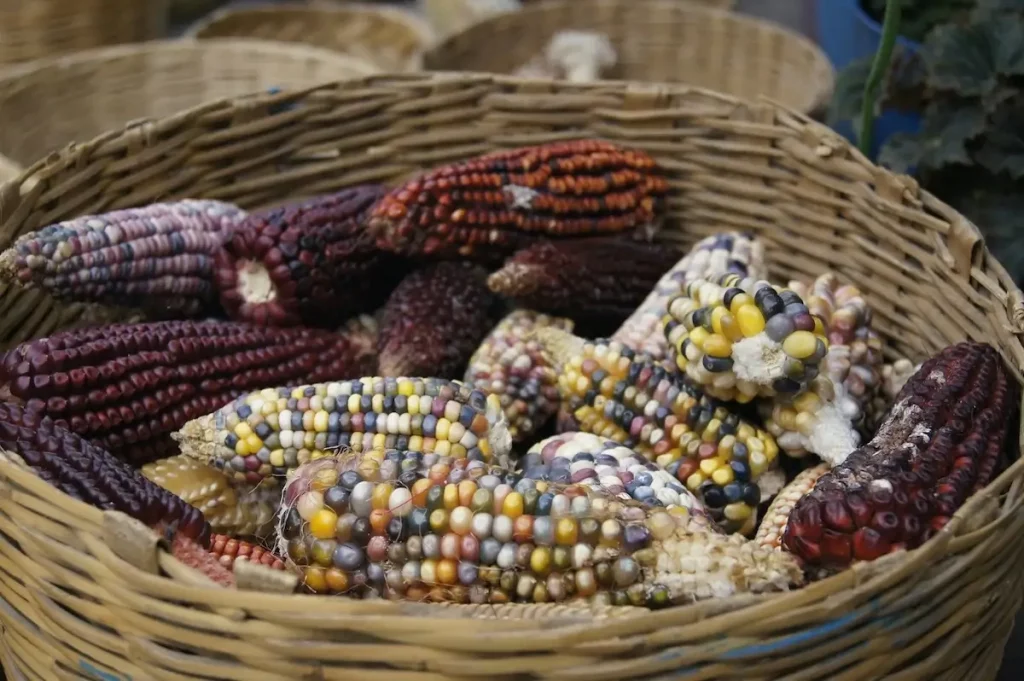
Long before European vineyards or industrial valley farms redefined the landscape, the original blueprint for California’s food culture was carefully engineered by the state’s Native peoples. For thousands of years, tribes like the Tongva, Miwok, Pomo, and Karuk built thriving communities by practicing highly advanced, low impact land stewardship. They did not just forage randomly. They used sophisticated methods like controlled burning to cultivate massive oak groves, expand wildlife grazing areas, and ensure a continuous, sustainable harvest cycle.
The absolute bedrock of this ancestral diet was the humble acorn, a crop so vital that it historically made up nearly half of the Native California diet. While raw acorns are packed with bitter tannic acid, Indigenous communities developed a brilliant, multi step cultural technology to make them edible. They dried, cracked, and ground the nuts into a fine flour using stone mortars, then leached out the bitter toxins with water. The resulting sweet, nutty meal was cooked with heated stones in tightly woven waterproof baskets to create rich porridges, flatbreads, and soups. Alongside staples like wild chia seeds, miner’s lettuce, huckleberries, and hand harvested sea salt, this was the original, ingredient first diet of the West Coast.
This ancient relationship with the land is exactly where the true spirit of the slow food and food sovereignty movements began in the states. Today, a high energy revival is sweeping across California as Indigenous chefs and home cooks work to decolonize modern diets. Landmark destinations are actively reconnecting people to this living history. You can experience the ancestral flavors of the Muwekma Ohlone Tribe at Café Ohlone in Berkeley, or try dishes highlighting freshly milled acorns, blue corn, and local bison at Wahpepah’s Kitchen in Oakland. In the Capay Valley, the Séka Hills tasting room showcases how the Yocha Dehe Wintun Nation continues to use sustainable agriculture to produce premium olive oils and wines. Including these foundational roots shows you that modern California dining is not a recent invention, but a continuation of a deep, historical respect for the earth.
Inland valleys and viticulture
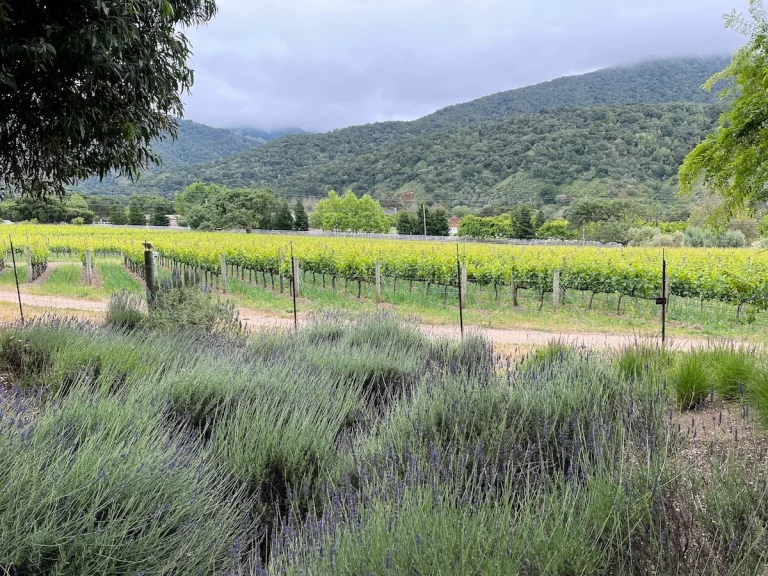
Welcome to the ultimate, heavy hitting powerhouse of California food and wine. Stretching hundreds of miles from the northern boundaries of Redding down to the southern industrial oil and farming hubs of Bakersfield, the interior corridors of the state form an unstoppable culinary engine. This massive swath of land is an intense geographical mix of endless flat plains, nutrient rich volcanic soil, and a crazy, high stakes microclimate defined by extreme temperature swings.
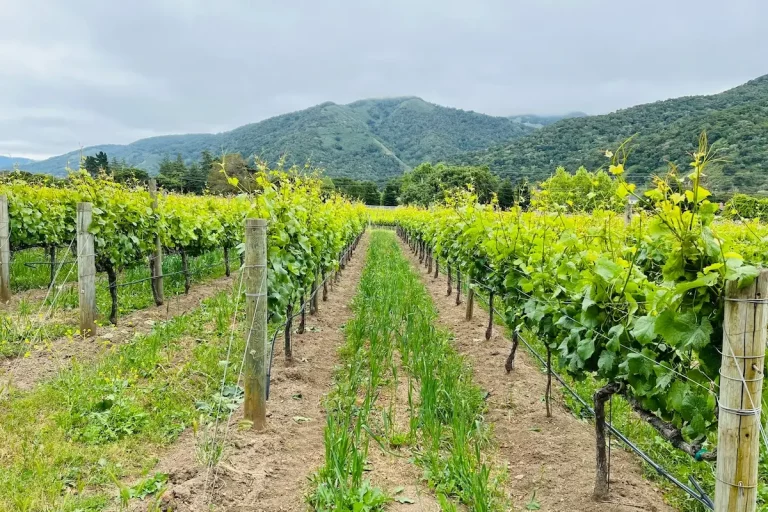
During the summer months, the entire basin bakes under a relentless, scorching daytime sun, only to face a sudden, drastic drop into freezing cold night air as the ocean breeze slides over the surrounding mountain walls. This intense natural temperature rollercoaster is not just a quirk of the weather. It is the precise mechanical spark that makes the inland valleys the undisputed agricultural heart of the nation, acting as the foundational engine for premium world class grape viticulture and highly specialized family farm networks that literally feed a massive portion of the global population.
Getting a true feel for how these distinct valley grids operate allows you to map out an incredible, eye opening road trip itinerary. Because of the unique way local land plots are zoned, you can easily bounce from ultra luxury, internationally acclaimed tasting rooms and high end Michelin starred dining rooms to raw, dirt on your boots farming communities in a single afternoon. It is a region of stunning culinary contrasts, where deep historic roots and industrial production power collide to shape how the rest of the world values modern food culture.
Napa Valley and the global benchmark of fine dining
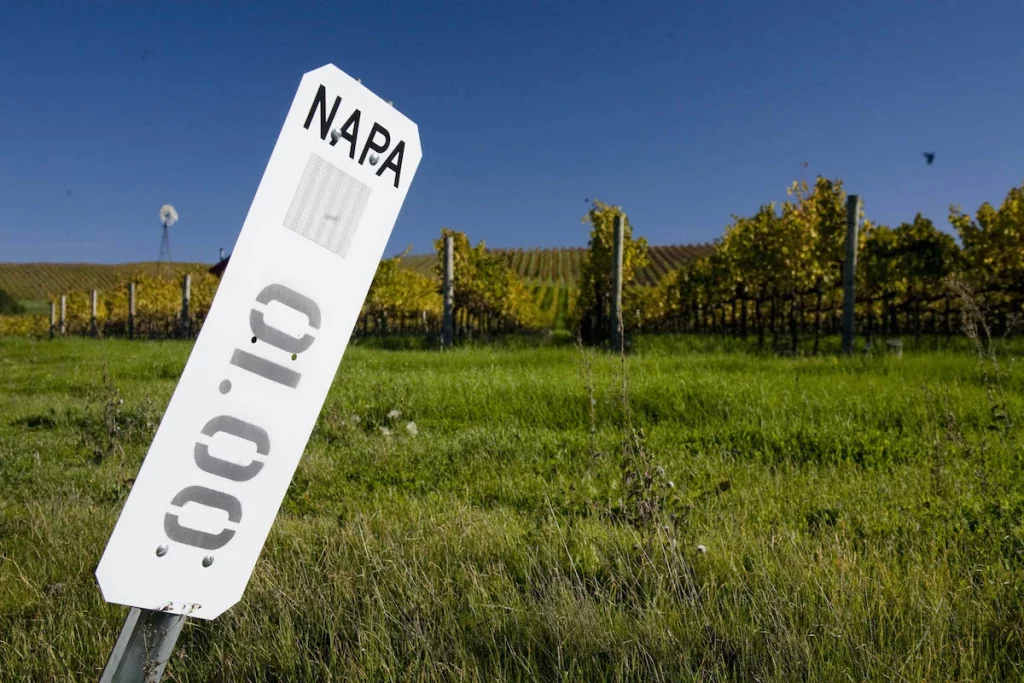
The volcanic hillsides and clay-rich basin floors of Napa Valley yield some of the most robust grapes in the world, establishing a premier destination for wine enthusiasts. Do not mistake this place for a casual weekend destination. The culinary identity of this sub-region is built on the strict structural preservation of historic agricultural preserves, which block commercial overdevelopment and keep the landscape focused on the earth. This deliberate zoning policy has allowed a sophisticated ecosystem of hospitality to thrive, where tasting rooms and kitchens operate in seamless harmony with the surrounding vineyards.
A primary example of this harmony is found in Yountville, where historic infrastructure meets modern culinary innovation. The French Laundry operates inside a rustic, two-story stone masonry structure that originally functioned as a saloon in 1900 and later served as a steam laundry facility during the 1920s. This landmark institution is globally recognized for its execution of classic French culinary technique, serving as a core anchor for the region’s high-end tourism draw.
The restaurant infrastructure includes an expansive, state-of-the-art modern kitchen facility engineered by design firm Snøhetta to maximize operational workflow while respecting the strict height limits of the historic neighborhood. The longevity and prestige of this destination stem from its reliance on hyper-local sourcing logistics. The kitchen team coordinates daily menus based on harvests from custom organic gardens situated directly across the street from the dining room.
This direct spatial connection between agricultural production and the guest table showcases the true potential of the valley’s soil. For anyone looking to understand the pinnacle of luxury wine country tourism, analyzing the operational design and historical preservation of this Yountville anchor provides a perfect starting point.
The Central Valley agricultural heartland
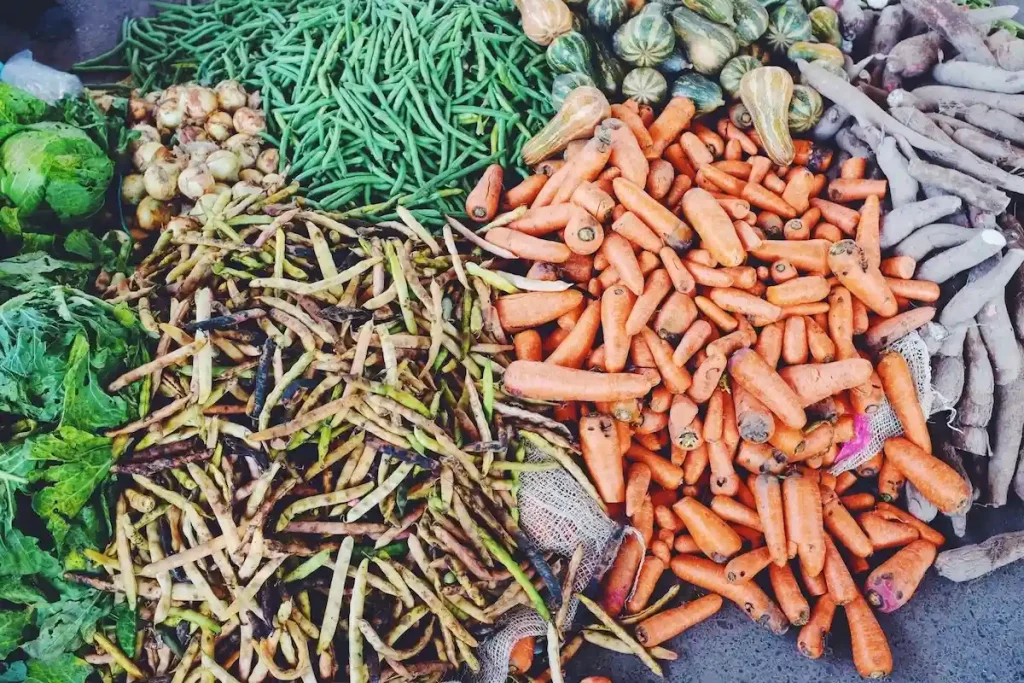
Stretching hundreds of miles down the center of the state, the massive Central Valley floor produces a significant portion of the global almond, citrus, and table grape supply. The food culture here is entirely distinct from the luxury aesthetic of the coastal wine valleys, centering instead on the raw mechanics of industrial farming, historic family ranches, and immense cultural diversity driven by generations of global agricultural workers. This region represents the physical engine of California’s food supply, where the culinary scene is unscripted, grounded, and deeply tied to harvest calendars.
The Fresno agricultural corridor serves as a major focal point for experiencing the northern half of this interior food network. While navigating the local highway grids, you can explore the historic Vineyard Farmers Market, an established community hub featuring open air pavilions designed specifically to shelter local growers and shoppers from the intense valley heat. Multi generational fruit stands operate year round along the rural edges of the city, offering a direct procurement route for seasonal tree fruits, melons, and nuts straight from the sorting facilities.
Further south, where the flat valley plains slam right up against the base of the Tehachapi Mountains, Bakersfield anchors the southern tip of this agricultural powerhouse. The city is famous for its unique Basque dining heritage, brought over by European sheep herders in the late nineteenth century. You can step into historic, century old boarding houses to experience family style dining over massive plates of garlic fried chicken, oxtail stews, and pickled tongue. The surrounding oil fields and endless almond groves create a raw, high energy environment where multi generational farm workers have shaped a deeply authentic, no nonsense food scene that celebrates the literal backbone of the state.
The regional dining scene across the entire valley floor is heavily influenced by the diverse populations that have shaped the agricultural workforce over the past century. Night markets and local street corridors showcase authentic culinary traditions ranging from traditional Southeast Asian street food to regional Mexican styles. These informal gathering spaces highlight how immigrant farming communities have infused the valley floor with rich flavor profiles, creating a compelling destination for culinary travelers seeking authenticity over commercial pretense.
Coastal seafood and maritime wine
Get ready to trade the intense heat of the interior valleys for the crisp, wild elements of the California edge. The maritime corridor is a completely different beast, shaped by massive walls of persistent ocean fog, high humidity levels, and freezing cold Pacific currents churning right off the continental shelf. This moisture rich environment creates an incredible natural cooler where cool climate grape varietals can ripen at a slow, agonizingly perfect pace. The culinary landscape here is defined by raw, unforgiving geography, featuring busy working piers, sustainable oyster farms hidden in quiet bays, and cliffside vineyards that constantly battle brutal ocean winds. Moving slightly inland from the immediate ocean bluffs reveals quiet, sun-drenched valley floors that still rely heavily on daily marine cooling paths. If you want to experience this microclimate on foot, you can navigate the unhurried streets and independent tasting rooms highlighted in our walkable guide to wine tasting in Los Olivos.
Tomales Bay and northern coastal aquaculture
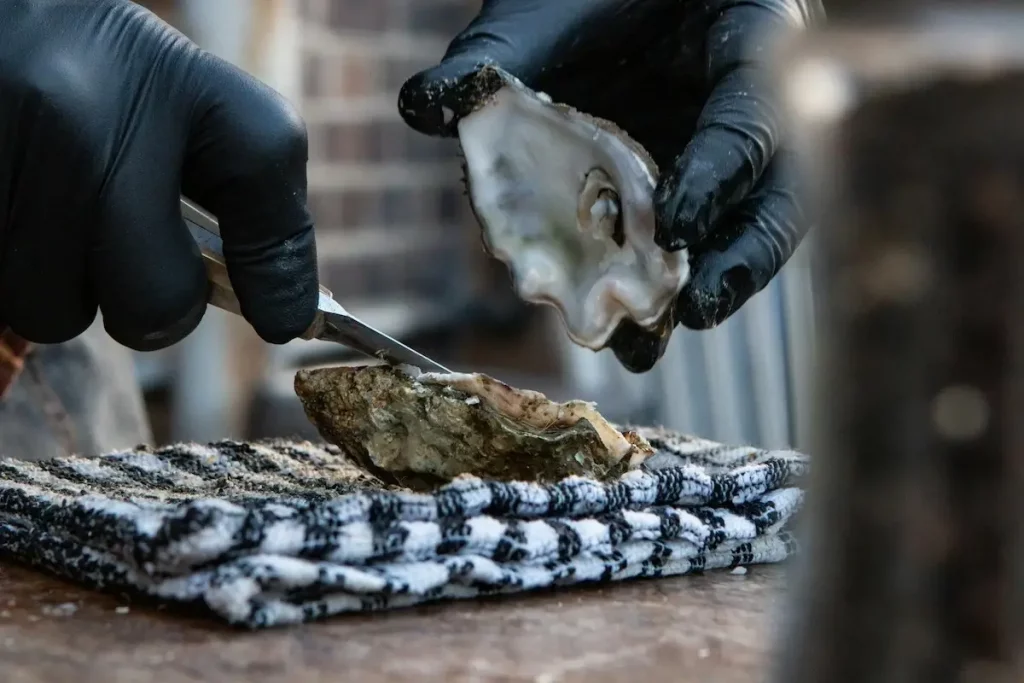
The cold water estuaries located north of San Francisco in Marin County create an absolute dream environment for sustainable shellfish farming. The unique geography of Tomales Bay follows the exact path of the dangerous San Andreas Fault line, creating a deep basin where clean ocean tides mix continuously with fresh coastal runoffs to feed the local oyster beds. The shoreline along the highway is a beautiful throwback to early maritime industry, dotted with low density wooden packing docks, historic weather beaten processing houses, and outdoor shucking stations that have remained unchanged for generations.
A massive landmark of this coastal corridor is Hog Island Oyster Company, situated along the shoreline highway in the quiet community of Marshall. Founded by marine biologists in the early nineteen eighties, the operation started from a tiny five acre shellfish lease and grew into an international model for sustainable intertidal farming. The team utilizes advanced, labor intensive single seed techniques to cultivate exceptionally plump, sweet bivalves that taste exactly like the specific water chemistry of the bay.
The location offers you a completely transparent, hands on look at coastal aquaculture logistics. The facility features outdoor shucking areas where you can grab a seat at communal picnic tables directly overlooking the water columns where the oysters were growing just hours earlier. The property also showcases innovative resource preservation through custom evaporation towers that harvest pure sea salt from the bay using solar powered pumps and wood fired brick ovens. This combination of working maritime industry and low impact tourism makes the Marshall shoreline an essential stop for understanding coastal food systems.
The Monterey Bay seafood corridor
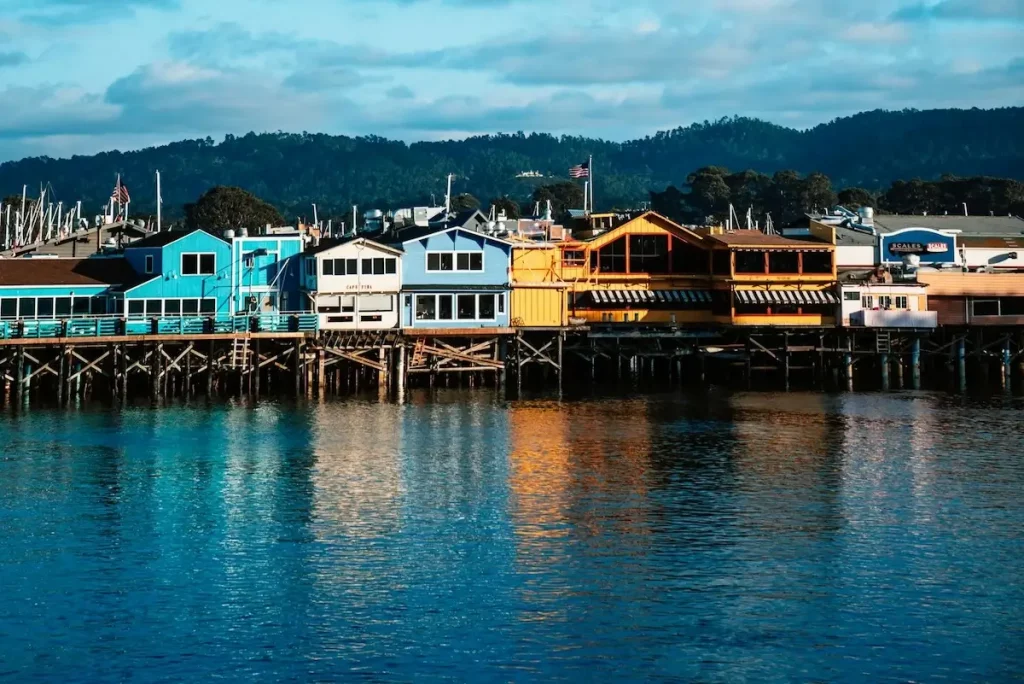
Further south, the dramatic sweep of Monterey Bay is anchored by a massive, deep underwater marine canyon that brings freezing, nutrient rich water right up to the immediate shoreline. This crazy geological feature fuels an incredibly active marine sanctuary, supporting a historic commercial fishing industry that has defined local food culture for generations. The culinary infrastructure here is built entirely around active working harbors, weathered processing piers, and open air fish markets that cater to both commercial fleets and independent travelers.
Moss Landing serves as an authentic, working class anchor for this seafood corridor, positioned directly at the midpoint of the bay’s massive arc. You can easily bypass the corporate, commercialized boardwalks further south to find Phil’s Fish Market, a historic destination operating right in the heart of the working harbor. The restaurant represents the enduring heritage of the region’s Italian fishing immigrants, remaining legendary for its traditional execution of cioppino, a rich seafood stew packed with daily local catches.
The environment around the harbor provides an un scripted look at the logistics of the modern seafood trade. You can watch commercial trawlers offload catches of squid, rockfish, and wild salmon directly onto the scales while harbor seals and sea otters navigate the channels. The local dining establishments rely on these immediate landings, creating a direct connection between the deep ocean canyon and your plate without any corporate intermediaries.
The Sonoma Coast maritime vineyards
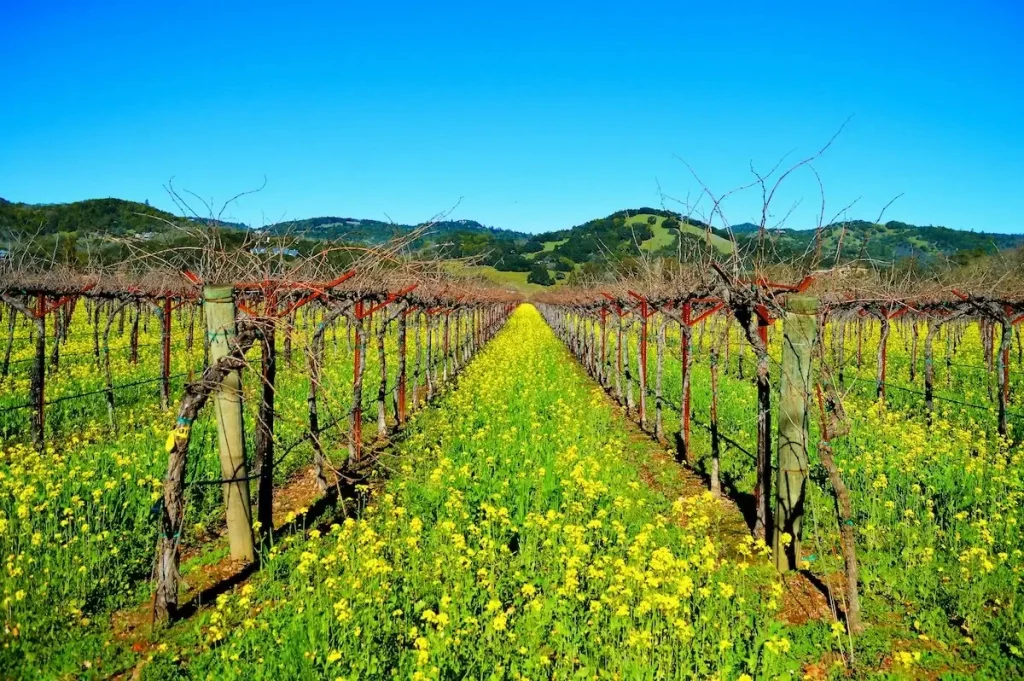
Where the coastal mountains drop straight into the churning Pacific Ocean, the rugged cliffs of the Sonoma Coast receive heavy morning fog blankets and constant marine winds. This extreme environment would be completely hostile to most standard agricultural pursuits, but it creates world class conditions for delicate pinot noir and chardonnay grapes. The vineyards here are masterfully engineered on steep, rocky ridges that sit high above the standard fog line, catching the afternoon sun while remaining insulated by the cold marine air below.
The Fort Ross Seaview viticultural area represents the absolute pinnacle of this high altitude maritime grape growing technique. The vineyards are carved into remote ridges several miles inland from the ocean, requiring precise terracing and specialized canopy layouts to survive the brutal elements. The resulting wines are highly prized for their distinct structural mineral profiles and bright acidity, driven entirely by the intense coastal breeze and unique mountain soils. Exploring this rugged terrain shows you how extreme coastal geology directly shapes the final flavor profiles of modern California fermentation styles.
Mountain orchards and alpine heritage
If you want to experience the absolute peak of California’s seasonal heritage, you have to head up into the high elevation mountain zones. The mountain food spaces feature distinct seasonal weather patterns, sharp winter freezes, and steep terrain defined by granitic soils and thick pine forests. These freezing winter conditions are vital for growing crisp tree fruits that need a specific number of chill hours to fruit successfully, while also developing a hearty, comforting alpine comfort food tradition. This region is characterized by historic gold rush towns, multi generational timber ranches, and historic farm stands that celebrate the rustic heritage of the high country.
The historic foothills of Placerville
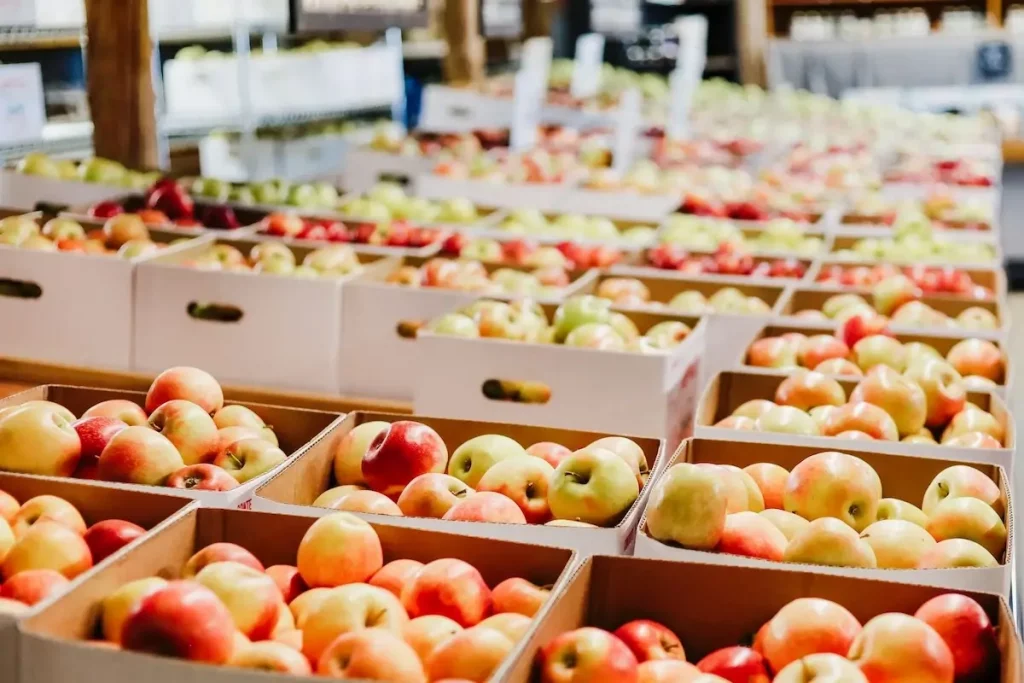
Situated in the Sierra Nevada foothills near the town of Placerville, this historic foothill region features a dense concentration of multi generational family farms, fruit orchards, and cider mills. The agricultural grids here sit between elevations of two thousand and four thousand feet, utilizing rich mountain soil and pure, pine filtered water runoffs from the winter snowpacks. This agricultural zone has become a premier destination for experiencing classic autumn harvests and historic mountain farming techniques.
A foundational destination within this region is Boa Vista Orchards, which has been continuously farmed by the Visman family for over one hundred years in the Placerville countryside. The property began as a simple potato ranch in the early nineteen hundreds before evolving into a diverse fruit operation that utilized early farming innovations like smudge pots to rescue delicate spring blossoms from sudden freezing mountain nights. The farm infrastructure still includes historic cold storage barns built over a century ago, alongside a year round farm market that serves as a direct access point for you.
The operation provides you with a comprehensive look at high elevation fruit production and traditional processing methods. The Visman family manages a complex harvest schedule that spans apples, Asian pears, blackberries, and stone fruits, packing and sorting the yields directly on site for the public store. The facility is particularly well known for its traditional apple cider production, utilizing historic press layouts to process crisp mountain fruit into pure juices without artificial additives. This commitment to maintaining early twentieth century farming structures makes the location a vital link to the state’s agricultural history.
The southern alpine valleys of Julian
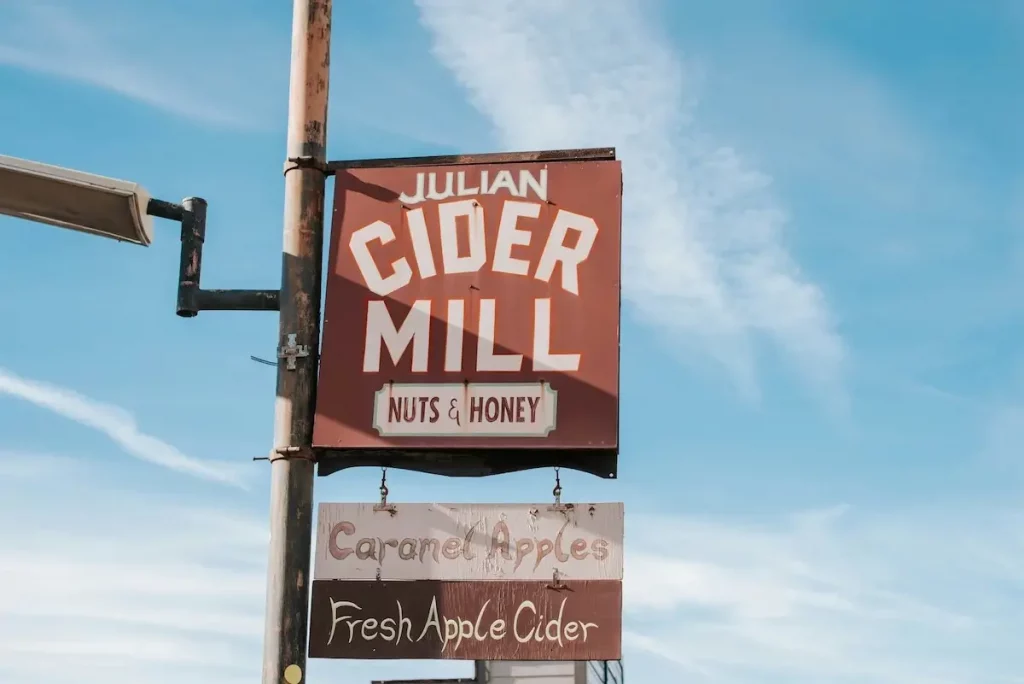
Deep in the mountains of Southern California, the historic town of Julian sits high in the Cuyamaca range east of San Diego at an elevation of over four thousand feet. The town layout was established during a brief gold rush in eighteen seventy following the discovery of gold by freed men and ex Confederate soldiers. As the gold mines quickly waned, enterprising early settlers realized that the high elevation, distinct four season climate, and unique mountain valley soils were ideal for cold weather fruit orchards, transforming the former mining camp into an agricultural haven.
The modern culinary identity of this alpine community is entirely defined by its historic apple pie culture, drawing crowds from across the region who drive hours up the winding mountain roads for a single slice. A major anchor for this specialized travel draw is the Julian Pie Company, founded in September nineteen eighty six by local entrepreneur Liz Smothers. The family business expanded from a small local baking operation to a full scale agricultural venture when the family purchased local farm plots to plant over seventeen thousand apple trees, ensuring a dedicated supply of mountain fruit.
The storefront on Main Street operates inside a preserved mountain cottage structure, employing traditional pastry techniques that emphasize quality control and scratch baking methods. The business represents the broader economic shift of Julian, where old mine shafts and historical museum structures coexist with active bakeries and cider presses. For you, a stop in this mountain enclave provides a direct connection to early California mountain farming roots, showing how a community successfully repurposed its gold rush layout into a sustainable, fruit driven tourism economy.
Mapping your culinary itinerary
Navigating the vast distances between California’s primary culinary hubs requires an intentional approach to travel planning. To get the most utility out of this hub and spoke network, you should avoid trying to cross between multiple topographical zones in a single day, focusing instead on deep exploration within a single regional cluster. For example, a dedicated coastal trip should link the oyster farms of Tomales Bay down to the maritime tasting rooms of the Sonoma Coast over a relaxed three day period, allowing transit times to remain low and immersion to remain high.
When planning an interior route through the inland valleys, your itineraries should contrast the high end hospitality design of Napa Valley with the raw, agricultural mechanics of the Central Valley floor. This approach provides a complete view of the state’s food systems, showing both the refined final product and the hardworking farm infrastructure that makes it possible. Always consult local harvest calendars before departing for the mountain orchard zones, as destinations like Julian experience high seasonal traffic during the peak autumn picking months, making early morning arrivals an operational necessity for a stress free experience.