Carmel Valley wine tasting: an organic and biodynamic guide
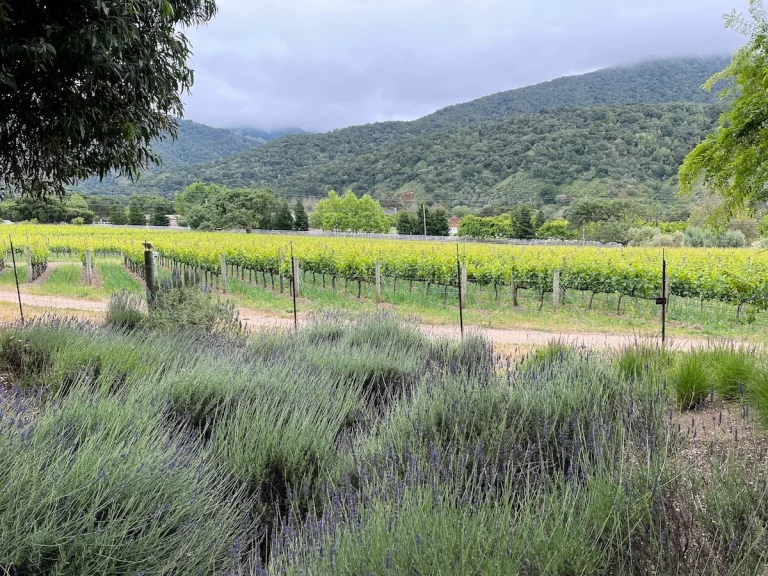
A casual vineyard escape thrives on quiet backroads. While the neighboring coastal enclaves draw dense weekend crowds and slow traffic, driving just a few miles inland along Carmel Valley Road reveals a completely different climate and micro-region. The cool marine fog breaks here, giving way to sun-drenched, oak-covered hillsides where small-batch farmers work the rugged canyon topography. This distinct valley corridor is home to a highly selective group of growers committed to holistic viticulture, working in complete harmony with the native flora. This guide provides exact, stress-free logistical instructions to help you navigate the valley floor and experience the finest ecological winemaking in the region.
Folktale Winery
The tasting setup takes place inside a expansive, beautifully landscaped vineyard garden along the banks of the Carmel River, featuring comfortable lounge seating and a sun-soaked courtyard atmosphere. It functions as a casual, seated culinary and wine affair where flights run around thirty-five dollars, and securing a digital reservation is mandatory for weekend visits. While the property captures a lively afternoon crowd, the tables are spaced generously across fifteen acres of land, allowing you to easily enjoy your flight and casual wood-fired small plates in your own private pocket of the grounds.
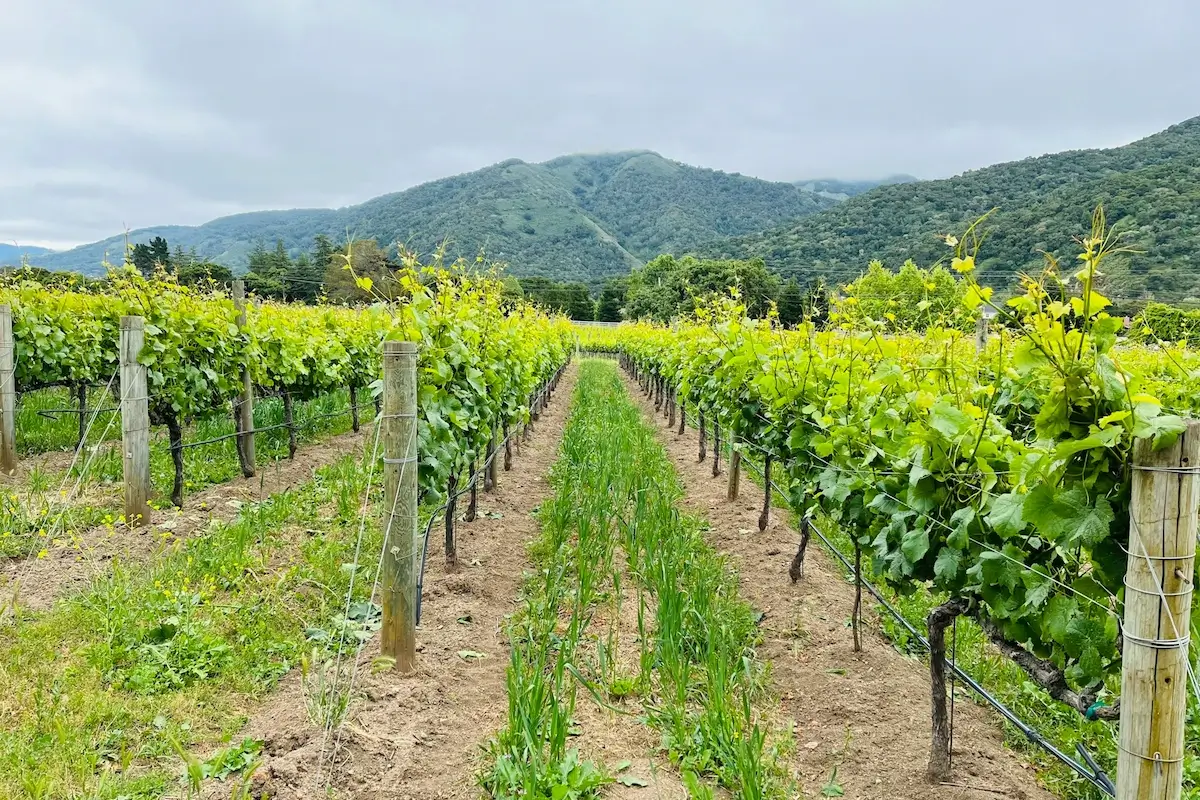
The estate vineyards are managed with a strict commitment to 100% sustainable and organic farming practices, prioritizing total land stewardship over high-volume yields. The viticultural team utilizes native cover crops and organic composts to stimulate soil biology, eliminating synthetic inputs to soften their agricultural footprint on the river basin. Their winemaking style centers on minimal intervention, featuring an alternative line of pét-nat sparkling options, orange wines, and field-blended whites fermented entirely with wild, indigenous yeasts. These practices preserve the bright, zesty acidity and clean mineral line driven by the local maritime climate.
Pelio Estate
This hillside destination offers a highly sophisticated, design-forward outdoor tasting setup situated on a secluded terrace that overlooks rolling estate vineyards. You must secure a pre-arranged tasting reservation through their digital portal before driving up the private canyon road, and flights are forty dollars per guest. The setting feels like an exclusive, hidden residential retreat rather than a commercial storefront, limited to small parties to ensure an intimate, quiet atmosphere where you can sip wine in absolute peace.
The hillside blocks are farmed using meticulous organic and biodynamic principles to nurture the specific microclimate of the lower valley. The vines are planted on steep, south-facing terraces composed of fractured shale and chalky soils, which provide immaculate natural drainage. This challenging topography limits vine vigor, forcing the roots to absorb rich mineral compounds from the rock. The estate focuses exclusively on cool-climate Pinot Noir and Chardonnay, producing small-lot vintages that showcase a delicate floral perfume, exceptional clarity, and a striking, flinty backbone carved by the nearby Pacific Ocean breezes.
Holman Ranch
The tasting space operates out of a warm, brick-lined indoor and outdoor patio compound situated directly within the walkable commercial corridor of Carmel Valley Village. It serves as a casual, walk-in friendly venue where estate flights cost twenty-five dollars, allowing you to drop in spontaneously without navigating the tight schedules of hidden canyon estates. The brick terrace provides an open, easygoing atmosphere to decompress after a day of driving, making it an excellent late-afternoon baseline stop to sample the distinct terroir of the upper valley floor.
The underlying twenty-one-acre vineyard estate is fully certified organic through CCOF and certified sustainable via rigorous SIP Practice guidelines. The farming operations rely completely on manually executed, machine-free labor, skipping chemical herbicides and pesticides to cultivate authentic Burgundian-style varietals. Their viticultural team stores and ages their production down in a massive, subterranean cave network cooled entirely by natural geothermal currents rather than artificial refrigeration. This climate-controlled setting yields delicate, unrefined estate Pinot Noir and Chardonnay that carry a clean, fruit-forward profile and an incredibly crisp finish.
Morgan (Taste Morgan)
The tasting room operates inside a bright, easygoing studio pavilion within the Crossroads shopping center located right at the coastal gateway of the valley. It runs on a highly structured, seated format where you customize your own personalized flight of four premium releases for twenty-five dollars per person. The space feels clean, educational, and focused, providing a convenient, accessible alternative for travelers who want to sample top-tier regional vintages without driving deep into the steep interior mountain ranges.
While the storefront sits near the coast, the fruit is sourced from their historic Double L Estate Vineyard situated along the northern slopes of the nearby Santa Lucia Highlands. This famed sixty-five-acre property holds the distinction of being the first and only certified organic property in its entire appellation, having farmed the land organically for over twenty years. To protect against soil run-off and maximize natural nutrients, the vineyard relies on multi-species winter cover crops and routine compost tea applications delivered straight through the subterranean lines. This meticulous focus on live microbiology produces flagship, clone-specific Chardonnay and Pinot Noir defined by sharp acidity, intense mineral structures, and deep, expressive fruit density.
Windy Oaks Estate (sort of)
It must be noted that while the estate strictly utilizes organic and biodynamic practices, they choose to remain uncertified to avoid bureaucratic constraints. The winemakers apply holistic, earth-first land stewardship across all their plots, using multi-stage canopy pruning, zero hedging, and hot-air bug machines to naturally eliminate chemical pest interventions. The cellar uses an all-gravity flow design to move the liquid smoothly without mechanical pump friction, utilizing naturally occurring native yeasts during fermentation. This patient approach yields un-fined, unfiltered Pinot Noir and old-vine Chardonnay that preserve an incredible mineral depth and true varietal focus.
The tasting layout is hosted inside a large, open village showroom decorated with massive old oak branches framing the primary service counter. It functions as an airy, relaxed environment that welcomes walk-ins from Thursday through Sunday, providing comfortable, private table seating options for small or large groups. The room carries a welcoming, community feel where you can taste an extensive list of aged styles at your own leisure, completely free of the formal or rigid time restrictions found at high-end destination ranches.
While the tasting floor sits in the valley village, the flagship fruit is hand-harvested from their primary high-altitude property in the Santa Cruz Mountains.
Navigating the alternative valley route
A successful trip through this corridor relies entirely on your willingness to drop the rigid, over-scheduled tourist itineraries found closer to the beach. Skipping the massive, high-volume hospitality centers lets you experience the region at a highly functional, human scale where conversations happen across worn oak barrels rather than polished marble bars. It is an approach to travel that favors technical curiosity over simple consumption, mapping out paths by soil types and farm gates rather than resort billboards. You leave the valley road with a highly customized map of the region, completely clear of standard commercial detours.