Paso Robles wine tasting: an organic and biodynamic guide
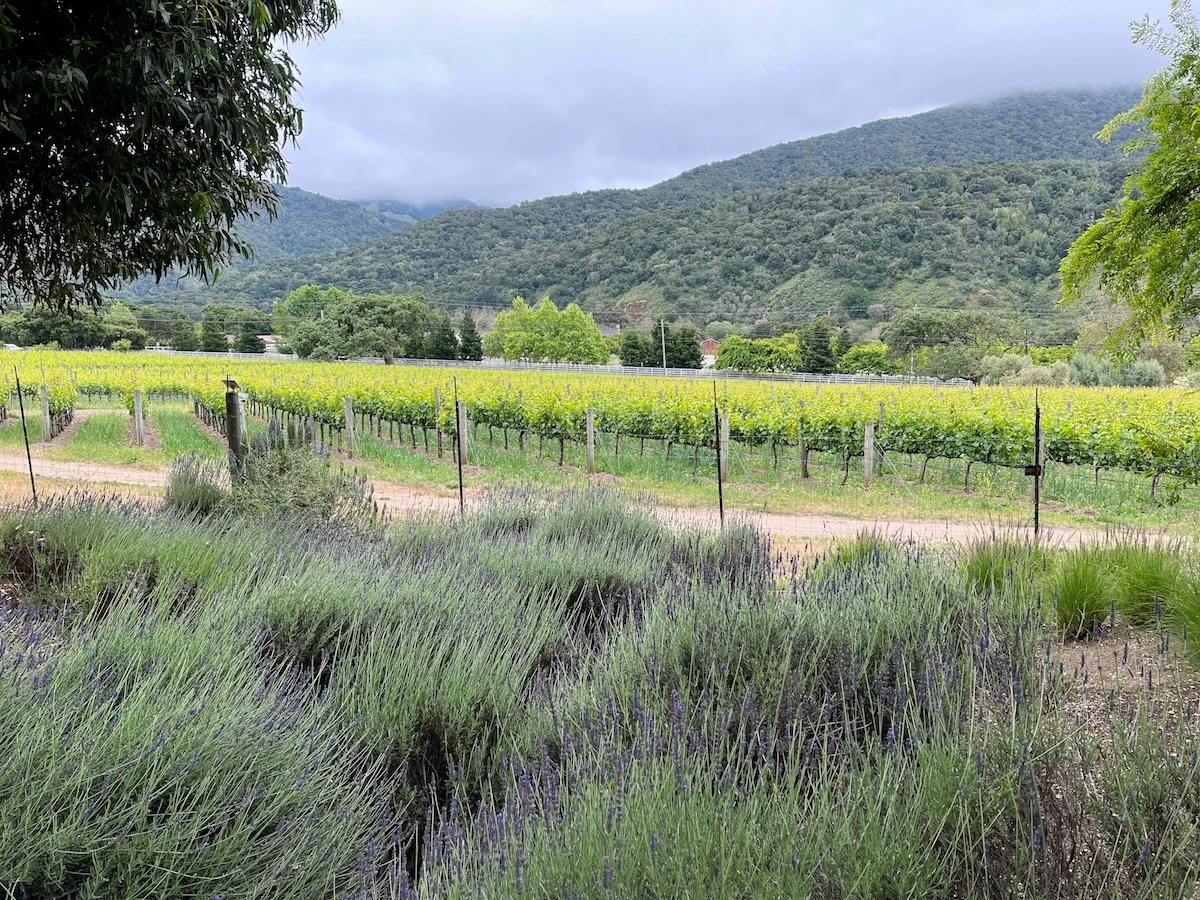
While Paso Robles boasts over two hundred operational wineries, only a microscopic fraction have successfully achieved dual organic and biodynamic certifications. The region is historically famous for high-yield, conventional red wine production, which makes the few properties committing to strict Demeter standards and chemical-free soil practices an absolute rarity. Navigating the quiet westside backroads of Vineyard Drive and Willow Creek Road leads you directly to this handful of ecological outliers. This guide provides exact, stress-free logistical instructions to help you bypass the conventional commercial estates and plan an effortless day of exploration among these unique, living vineyards.
AmByth Estate
You taste these wines outside on a rustic, shaded hilltop terrace surrounded by wild olive trees and free-roaming farm animals. The operation functions entirely by appointment for private, ninety-minute educational walks and tastings, which cost forty dollars per person. There are no polished marble bars or slick commercial gift shops here. Instead, the atmosphere feels like visiting a working homestead where the hosts treat you like an old friend, walking you through the property at a completely relaxed pace.
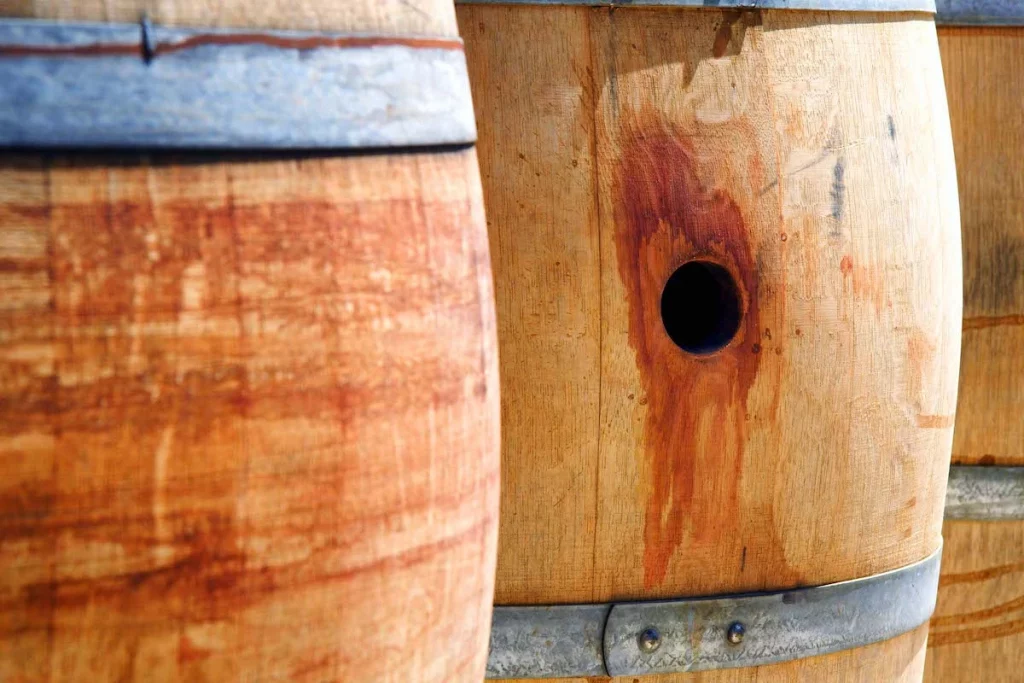
The estate is a leader in certified biodynamic viticulture in the region, operating completely off-grid and utilizing dry-farming techniques. They use zero synthetic pesticides, relying instead on natural compost teas and an integrated livestock system to naturally fertilize the soil. In the cellar, the winemaking is strictly hands-off with no commercial yeasts or added sulfites. The wines are aged entirely in large terracotta amphorae rather than traditional oak barrels, resulting in remarkably raw, earthy, and expressive Rhone-style blends that showcase the true minerality of the limestone terroir.
Tablas Creek Vineyard
The tasting setup takes place on a spacious, sun-drenched outdoor patio bordered by active insectary gardens and native plants. It is a structured, seated affair where a knowledgeable host guides you through a flight of estate releases over the course of an hour. Reservations must be secured ahead of time through their online platform, and tasting fees are twenty-five dollars. Despite the estate’s prominent reputation, the seating layout feels airy and uncrowded, ensuring you have plenty of physical space to relax and enjoy the breeze.
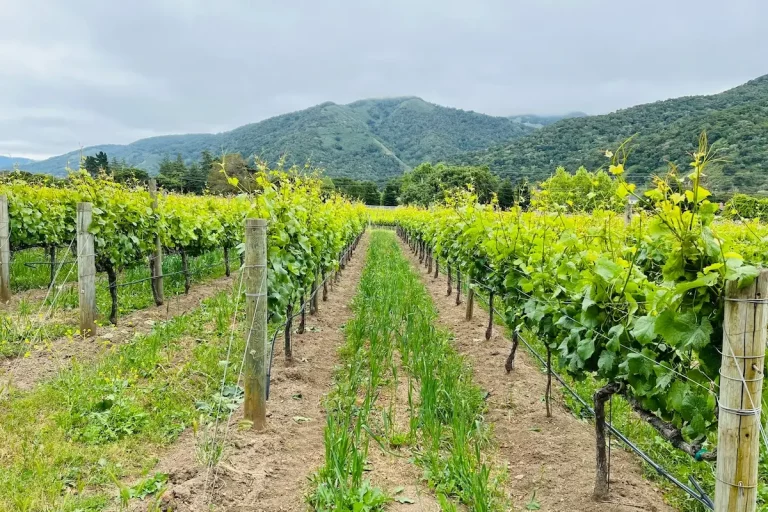
This property holds the distinction of being the first certified Regenerative Organic vineyard in the United States. Their farming model treats the entire estate as a complex, self-sustaining ecosystem, incorporating a mobile herd of sheep to weed the vines and an on-site grapevine nursery. The soil health is maintained through diverse cover cropping that sequesters carbon and retains moisture in the calcareous hillsides. This rigorous focus on soil biology produces classic, balanced blends of Grenache, Syrah, and Mourvèdre that exhibit a bright natural acidity and clean, complex fruit profiles.
Villa Creek Cellars
This hillside estate offers an intimate tasting experience on a private deck overlooking a quiet, hidden valley floor. You must book a pre-arranged reservation online to secure a table, and flagship flights are priced at forty dollars per guest. The environment is quiet, sophisticated, and deeply relaxing, with visits limited to small numbers to avoid any sense of crowd congestion. It is an ideal stop for those who want to skip the typical wine trail crowds and sit quietly with a glass for an hour.
The estate vineyards surrounding the tasting deck are certified organic and biodynamic, managed under the Maha Estate label with a holistic focus on biodiversity. The vintners prioritize minimal intervention, allowing native ground covers to flourish between the rows to naturally enrich the white clay and limestone soils. Their winemaking approach focuses on small-lot fermentations using native yeasts and minimal sulfur adjustments. This careful, earth-first stewardship yields dense, textured Grenache and Carignan blends that carry a distinct, savory herbal character reflective of the wild chaparral growing along the vineyard borders.
Castoro Cellars
The tasting experience here rolls out across a massive, Mediterranean-style estate compound centered around a stone-lined arbor and sprawling outdoor picnic lawns. It operates daily as a highly approachable, walk-in friendly venue where standard flights cost an accessible twenty dollars. The environment is deliberately designed to feel unpretentious and active, complete with an on-site eighteen-hole disc golf course winding directly through the grapevines. It provides a lively, recreational stop where families and casual travelers can hang out under the sun without navigating the tight, high-pressure schedules of hidden boutique cellars.
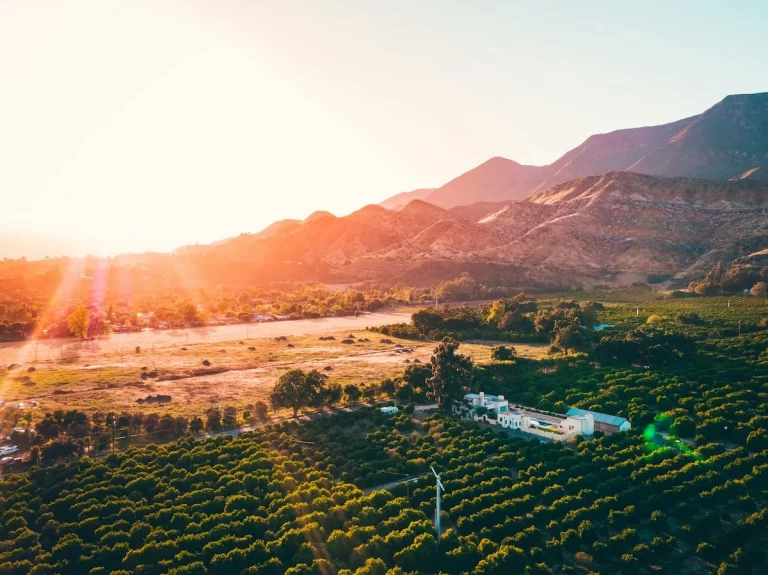
The operation manages some of the largest footprints of combined CCOF organic and Demeter biodynamic acreage along the Central Coast. Rather than treating wine as an exclusive, low-yield luxury, they leverage sustainable farming at a grand scale, charging their expansive fields via massive rooftop solar arrays. Their viticultural program relies on systematic sheep-grazing rotations and specialized compost tea drops to cultivate strong microbial balances across multiple westside soil districts. This mechanical and organic balance yields consistent, everyday table favorites like estate Tempranillo, Zinfandel, and Falanghina that prioritize clean varietal expressions.
By skipping the high-volume commercial corridors and spending a little time with this rare group of earth-first producers, you’ll experience more of the agricultural heart of the region. The absence of a strict tasting schedule will also allow you to reconnect with the sensory details of the landscape, from the crunch of white limestone gravel to the pure, unmanipulated expression of the wine in your glass. You will definitely leave the valley restored, relaxed, and carrying a newfound appreciation for the dedicated vintners who quietly protect the living soils of Paso Robles.